Gavin Baker Argues Increased AI Competition Benefits Entire Tech Ecosystem
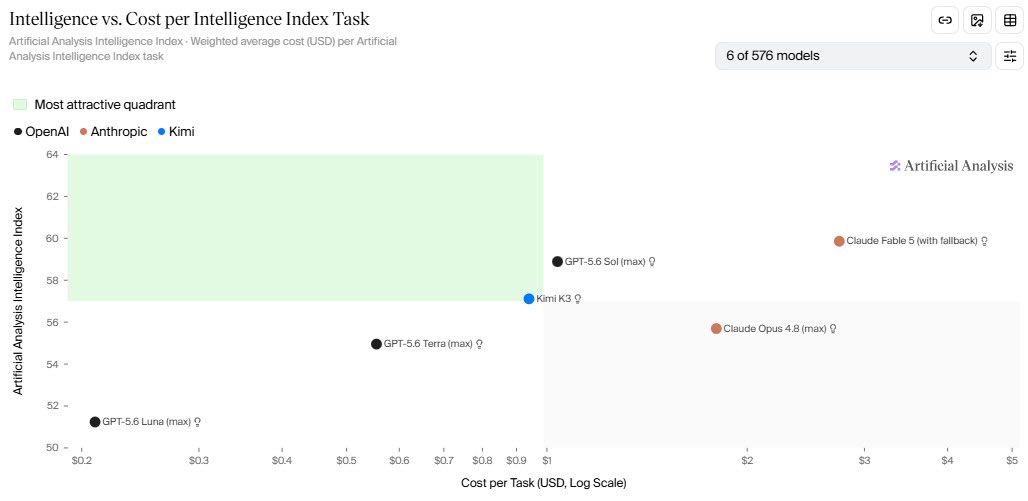
Venture capitalist Gavin Baker asserts that increased competition and reduced profit margins at the foundation model layer of the AI stack are ultimately beneficial for all other components. This includes sectors such as power, semiconductors, cloud computing providers (hyperscalers/neoclouds), and software development. Baker suggests that a landscape dominated by only two or three high-margin "frontier labs" is detrimental to the broader ecosystem. These dominant labs, he implies, could exert undue influence or control. By fostering more competition, Baker believes that the entire AI value chain, from hardware to software, stands to gain. This perspective challenges the notion that consolidation at the core of AI development is necessarily the most advantageous outcome for the industry as a whole. Instead, he advocates for a more distributed and competitive environment to spur innovation and broader economic benefits across related technological fields.
Gavin Baker's perspective highlights a fundamental tension in rapidly evolving technological sectors: the balance between consolidation and competition. While a few dominant players might achieve rapid, focused innovation, this can lead to concentrated market power and potentially stifle broader ecosystem growth. Baker's argument suggests that a more competitive foundation model landscape could democratize access to advanced AI capabilities, driving innovation and efficiency across the entire tech stack, from energy consumption to software applications. This viewpoint encourages consideration of the long-term systemic implications of market structure on technological advancement and economic inclusivity, particularly as AI becomes increasingly integral to global infrastructure.
AI-generated to prompt reflection — not editorial opinion, not advice, not a statement of fact. How this works.