Gaza Aid Worker Organizing World Cup Broadcasts Killed in Israeli Strike
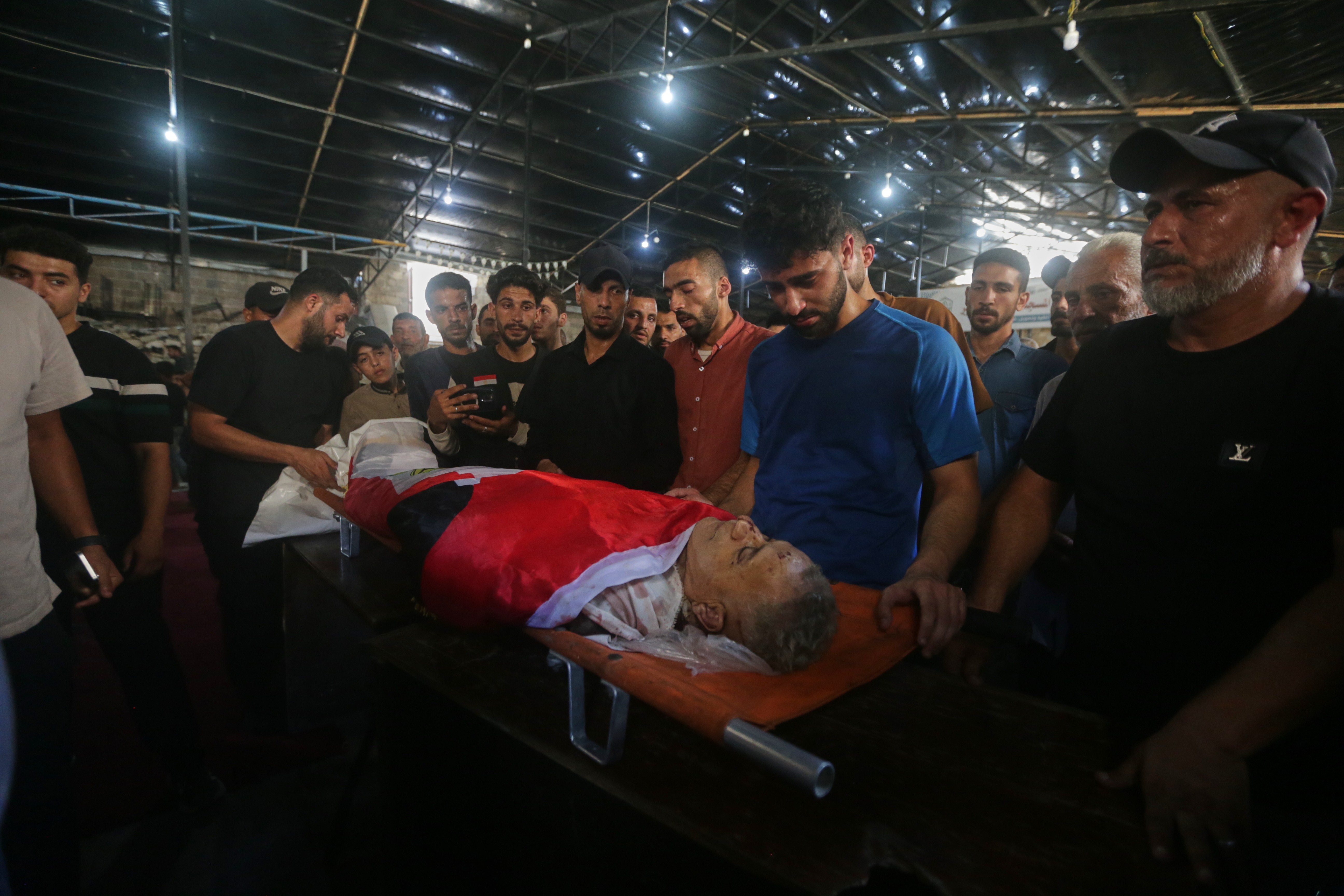
An Israeli airstrike in Gaza has killed Mohamed al-Wahidi, a Palestinian humanitarian aid worker who was coordinating public broadcasts of World Cup matches across the territory. The strike occurred shortly before a match between Egypt and Argentina. The explosion turned a planned moment of celebration into another instance of the impact of daily Israeli attacks on Gaza, which have continued to cause civilian deaths despite a ceasefire established in October. The bombing targeted a car in the Sabra neighborhood of Gaza City on Tuesday evening. Also killed were two children, Hamza al-Deri, 10, and Fari al-Deri, 8, who were passing by, and the driver, Ahmed Daghmush, 33. Hospital officials confirmed the fatalities. The Israeli military stated that Al-Wahidi was not the intended target, and that the operation aimed at a Hamas operative. They are investigating whether Daghmush was the intended target. Daghmush was reportedly a taxi driver with no known ties to armed groups. The Egyptian Committee in Gaza, where Al-Wahidi worked, is the humanitarian arm of the Egyptian government, providing aid and organizing the World Cup viewing screens. Since the October 7th Hamas attacks, which killed approximately 1,200 people and took 251 hostages, Israel's military operations have resulted in over 73,000 Palestinian deaths according to Gaza's Health Ministry, with women and children comprising about half of the casualties. Since the October ceasefire, 1,084 Palestinians, including 258 children, and five Israeli soldiers have died.
This incident highlights the complex intersection of humanitarian efforts, cultural events, and ongoing conflict. The targeting of an individual involved in public broadcasting, even if unintended, underscores the pervasive risks faced by civilians in Gaza. The Israeli military's statement about targeting a Hamas operative, while investigating civilian casualties, points to the challenges of distinguishing combatants from non-combatants in densely populated areas. The event also illustrates how even apolitical activities like sports broadcasts can become entangled in the broader political narrative and humanitarian crisis, amplifying the emotional impact of conflict. Looking ahead, the integration of civilian infrastructure and activities with military operations poses persistent challenges for de-escalation and civilian protection, demanding robust mechanisms for accountability and verification in conflict zones.
AI-generated to prompt reflection — not editorial opinion, not advice, not a statement of fact. How this works.