Gaza Ceasefire Talks Stall Amidst Israeli and Hamas Demands
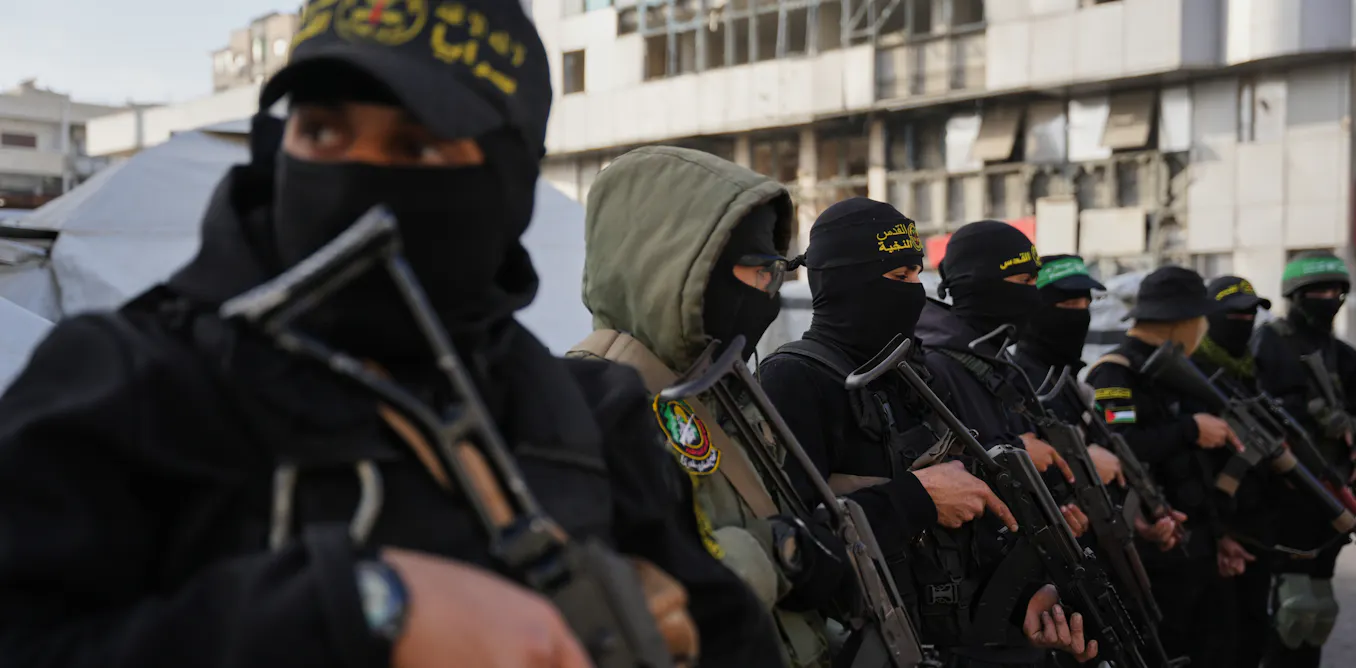
Negotiations for a ceasefire in Gaza face significant hurdles as Israel insists on the complete disarmament of Hamas before withdrawing its troops. Conversely, Hamas has stated it will not agree to a withdrawal of Israeli forces until Israel has first pulled out its military. This deadlock presents a major challenge to achieving a lasting peace agreement. Former President Donald Trump has described the situation as a 'breakthrough,' but the conflicting conditions set by both parties cast doubt on its immediate impact. The core issue remains the sequencing of troop withdrawal and disarmament, with neither side willing to concede its primary demand. This impasse highlights the deep mistrust and divergent strategic objectives between Israel and Hamas, complicating efforts to de-escalate the conflict and address the humanitarian crisis in Gaza.
The current impasse in Gaza ceasefire negotiations reflects a classic security dilemma where each party's attempt to enhance its own security is perceived as a threat by the other, leading to a cycle of mistrust. Israel's demand for disarmament prior to withdrawal prioritizes its immediate security concerns, aiming to neutralize Hamas as a military threat. Hamas's counter-demand for withdrawal first is likely driven by a need to demonstrate leverage and secure a tangible outcome that signals a shift in the status quo, potentially preventing future Israeli military incursions. This strategic stalemate, amplified by external political pronouncements, underscores the difficulty of achieving de-escalation when fundamental security guarantees and political objectives are in direct opposition. Future resolution may require innovative third-party mediation or a shift in the perceived incentives for each actor to compromise on their core demands.
AI-generated to prompt reflection — not editorial opinion, not advice, not a statement of fact. How this works.