Gaza Government Reports 1,000 Days of Devastation, Citing Over 73,000 Deaths
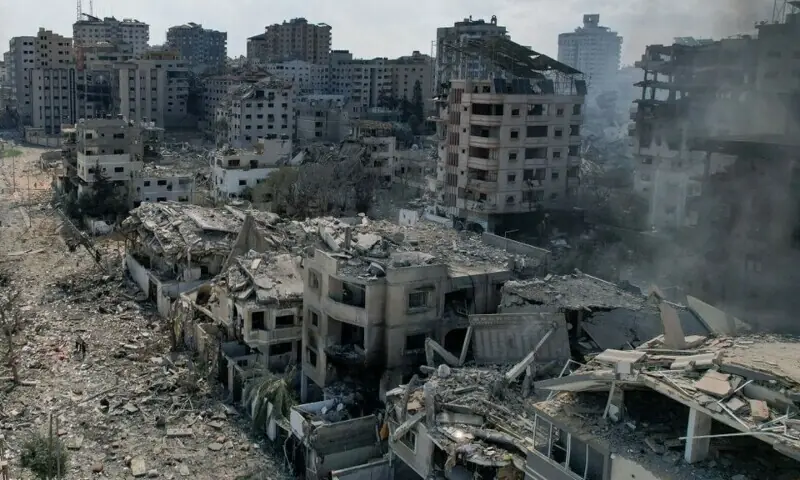
The Gaza Strip's government media office has released statistics detailing the impact of 1,000 days of conflict since October 7, 2023. According to the office, over 90% of Gaza has been destroyed, with more than 73,000 Palestinians killed. As of July 2, Israel reportedly controls over 80% of the territory, affecting 2.4 million residents with alleged genocide, starvation, and ethnic cleansing.
Among the fatalities, over 21,500 were children and more than 12,500 were women, including over 1,000 infants under one year old and 520 infants born and subsequently killed. The statistics also indicate 9,500 missing persons, many trapped under rubble. Israel has allegedly dropped over 223,000 tons of explosives on Gaza, including 241 strikes on the Al-Mawasi "safe humanitarian zone." The reported death toll includes 1,700 medical personnel, 145 civil defense staff, 262 journalists, 194 municipal employees, 928 sports professionals, and 2,800 police officers.
The report highlights the annihilation of 2,700 families and severe impacts on 6,020 others. It notes 460 deaths from hunger and malnutrition, including 164 children, and 23 deaths from aid airdrops. Medical consequences include over 12,000 miscarriages due to lack of resources, over 5,400 amputations (18% children), 1,500 cases of paralysis, and 1,200 cases of vision loss. The conflict has also led to 26,370 widowed women and 58,800 orphaned children, with 2,700 of these children losing both parents. Infrastructure damage includes 38 hospitals and 96 healthcare centers being destroyed or disabled, along with 197 ambulances. Education has been severely impacted, with no school remaining unscathed, 81% of school buildings needing reconstruction, affecting over 620,000 students, and 17 higher education institutions destroyed, impacting over 90,000 university students.
This report from the Gaza government media office presents a stark account of destruction and loss over a 1,000-day period, framing the events as "genocide." From an analytical perspective, it is crucial to examine the systemic impacts on civilian populations and infrastructure, irrespective of the specific terminology used. The reported figures on casualties, displacement, and destruction of essential services like healthcare and education highlight the profound humanitarian crisis. The long-term consequences for the region's demographic structure, public health, and socio-economic recovery are significant. Future stability will likely depend on addressing the root causes of the conflict and ensuring accountability for adherence to international humanitarian law, while also considering the complex geopolitical dynamics at play.
AI-generated to prompt reflection — not editorial opinion, not advice, not a statement of fact. How this works.