Gaza Mother's Water Search Highlights Deepening Health Crisis
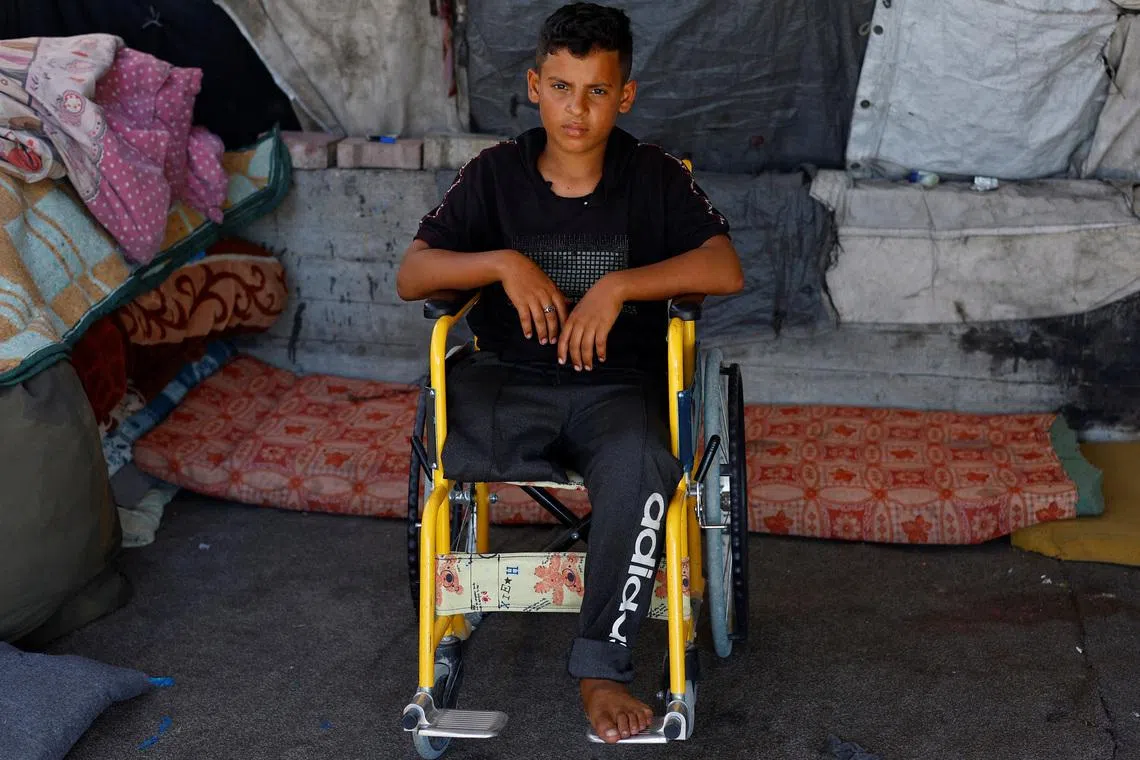
In Gaza, Ibtisam Al-Helou begins her day before dawn, leaving her tent near the seafront to search for fresh water. Despite the proximity of the Mediterranean Sea, the water essential for cooking, drinking, and washing requires a significant journey across Gaza City. This daily struggle underscores the severe and deteriorating health crisis gripping the region. Access to clean water is a fundamental necessity, and its scarcity directly impacts public health, sanitation, and the overall well-being of the population. The arduous nature of obtaining this basic resource points to systemic failures in infrastructure and resource management. The situation in Gaza, as exemplified by Al-Helou's plight, highlights the urgent need for humanitarian intervention and long-term solutions to address the critical shortage of potable water. This ongoing crisis poses a grave threat to the lives and health of all residents, particularly vulnerable groups such as children and the elderly.
The scarcity of potable water in Gaza, as illustrated by the daily efforts of individuals like Ibtisam Al-Helou, reveals a critical infrastructure and resource management challenge. This situation not only impacts immediate public health through dehydration and waterborne diseases but also exacerbates existing humanitarian concerns. The reliance on distant water sources, despite coastal proximity, suggests a failure in desalination or purification infrastructure, potentially linked to ongoing conflict and blockades. Addressing this requires a multi-faceted approach, considering technological solutions for water treatment, equitable distribution mechanisms, and sustainable resource governance, all within the complex geopolitical realities of the region. The long-term implications for public health and societal stability are profound, necessitating strategic planning that anticipates future environmental and political pressures.
AI-generated to prompt reflection — not editorial opinion, not advice, not a statement of fact. How this works.