Gaza Peace Roadmap Envisions Linked Disarmament and Israeli Withdrawal
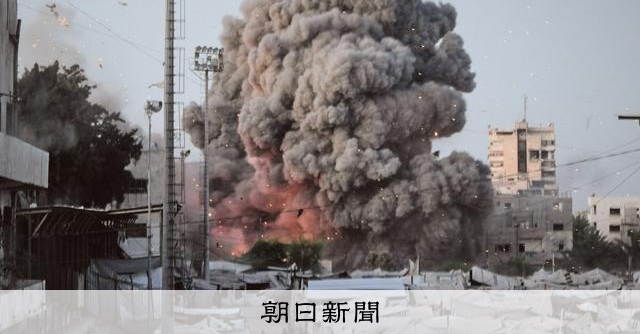
A roadmap for the second phase of peace in Gaza has been proposed, linking the disarmament of Palestinian factions with the withdrawal of Israeli forces. This plan aims to de-escalate the ongoing conflict and pave the way for a more stable future in the region. The specifics of the disarmament process and the timeline for Israeli troop redeployment are central to the proposed framework. International mediators are reportedly involved in facilitating discussions around this initiative. The goal is to achieve a sustainable ceasefire and address the underlying issues contributing to the conflict. Further details regarding the implementation and verification mechanisms are expected to be released as negotiations progress. This roadmap represents a potential pathway towards resolving the long-standing Israeli-Palestinian dispute, with a focus on mutual concessions and security guarantees for both sides. The success of this phase hinges on the willingness of all parties to engage constructively and adhere to the agreed-upon terms.
The proposed roadmap for Gaza's second peace phase introduces a framework that interlinks Palestinian disarmament with Israeli military withdrawal. This approach attempts to address the security concerns of both parties by creating a conditional progression. The effectiveness of such a plan will depend on the robustness of verification mechanisms and the commitment of all involved actors to de-escalation. Evaluating this initiative requires considering the historical context of previous agreements and the complex geopolitical dynamics at play. Future challenges may include ensuring equitable implementation, managing potential spoilers, and fostering long-term stability beyond immediate security arrangements. The proposed linkage could offer a structured path forward, but its success will be contingent on sustained diplomatic engagement and a willingness to address root causes of the conflict.
AI-generated to prompt reflection — not editorial opinion, not advice, not a statement of fact. How this works.