Gaza Relief Official Killed in Israeli Strike Ahead of Egypt-Argentina Match Viewing
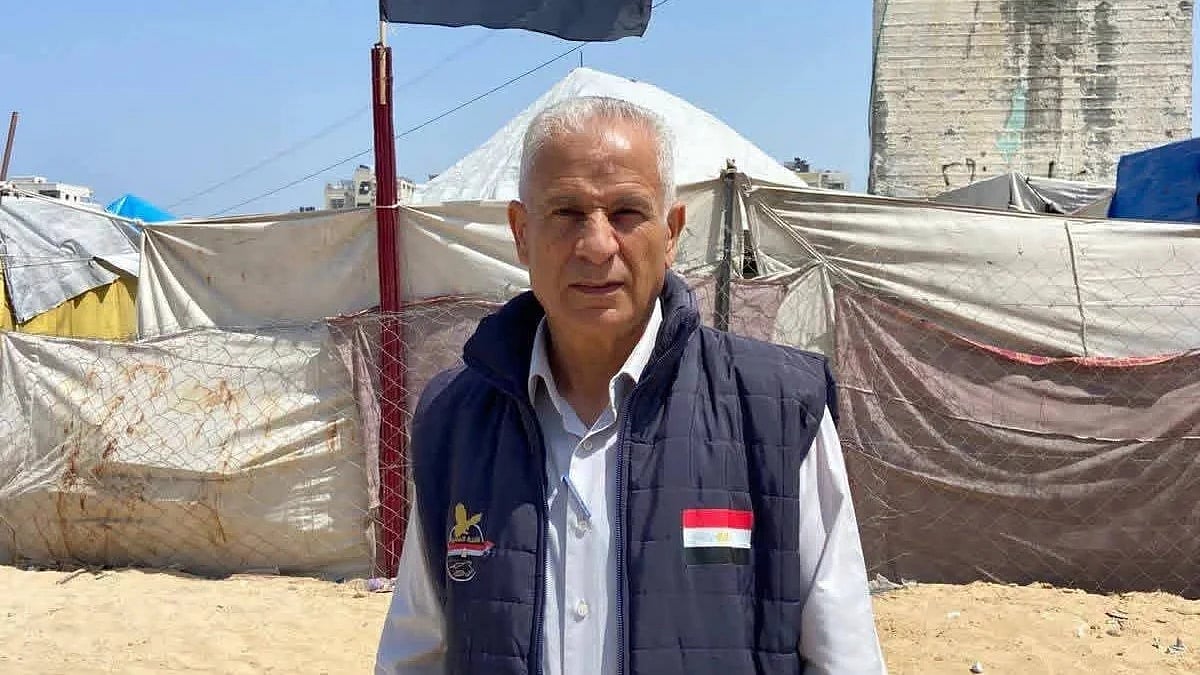
Mohamed Fawaz Al-Wahidi, the Director of Public Relations for the Egyptian Relief Committee in Gaza, was killed in an Israeli airstrike on Tuesday in the Al-Sabra area of Gaza City. Al-Wahidi was responsible for organizing a public viewing of the Egypt-Argentina football match on a large screen. The attack targeted a civilian vehicle, resulting in the deaths of Al-Wahidi, a child, and two others, with several more injured. This incident occurred just hours before the planned World Cup match. A spokesperson for the Egyptian Relief Committee stated that Al-Wahidi also served as the director of an elderly organization's office at the committee's Gaza City headquarters. He had recently participated in a local dispute resolution meeting before his vehicle was struck near an administrative building. The spokesperson described Al-Wahidi as a highly respected community figure, known for his tireless efforts in resolving disputes and serving others. The strike contributed to a total of at least seven Palestinian deaths across Gaza on Tuesday due to Israeli attacks, with an additional 20 injured. Separate drone attacks were also reported in Khan Yunis and northern Gaza. The Egyptian Relief Committee, founded by Egyptian President Abdel Fattah El-Sisi, coordinates various aid efforts in Gaza, including food distribution and managing camps for displaced Palestinians. The committee is also known for its public screenings of World Cup matches. This attack occurred while discussions for a second phase of a regional ceasefire were underway in Cairo. Cairo has lodged a strong protest and demanded a response regarding the incident. Since a ceasefire agreement with Hamas mediated by the US last October, Israel has conducted numerous strikes in Gaza, resulting in at least 1,072 Palestinian deaths and 3,463 injuries over the past eight months.
The reported killing of a Gaza-based Egyptian relief official by Israeli forces, occurring amidst efforts to organize a public event and during sensitive ceasefire negotiations, highlights the complex and volatile dynamics in the region. The incident underscores the significant risks faced by humanitarian workers and civilians operating in conflict zones, where infrastructure and public gatherings can become unintended targets. From a systemic perspective, such events raise critical questions about adherence to international humanitarian law and the protection of civilian life and infrastructure, particularly when they are associated with cultural or social activities. The timing of the strike, coinciding with diplomatic talks, may reflect a deliberate tactic to disrupt or signal disapproval of external engagement, or it could be an unfortunate consequence of ongoing military operations. Evaluating the long-term implications requires considering how such actions impact humanitarian access, public morale, and the prospects for de-escalation, potentially hardening positions on all sides and complicating future peace initiatives.
AI-generated to prompt reflection — not editorial opinion, not advice, not a statement of fact. How this works.