Gaza's War-Injured Children Endure Pain to Hide Trauma, Facing Scarce Care
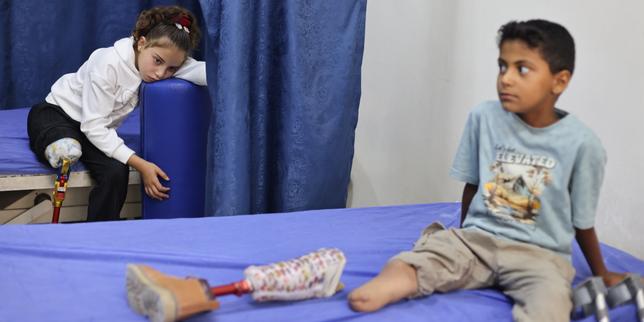
The Gaza Strip holds the grim distinction of having the highest number of amputee children per capita globally, a consequence of Israeli bombardments since October 7, 2023, according to the World Health Organization. Many of these children are experiencing physical pain from their prosthetics but endure it to avoid appearing different from their peers. They are attempting to rebuild their lives amidst forced displacements and a severe shortage of medical care within the devastated territory. The ongoing conflict has resulted in widespread destruction, exacerbating the already dire humanitarian situation for these young victims. The psychological toll of war, coupled with physical injuries, presents immense challenges to their recovery and future well-being. Access to adequate medical supplies and rehabilitation services remains critically limited, hindering their ability to adapt to their new realities. The international community faces a significant challenge in addressing the long-term needs of these children and ensuring they receive the support necessary for healing and integration.
The situation in Gaza highlights the devastating long-term consequences of conflict on civilian populations, particularly children. The high rate of amputations underscores the indiscriminate nature of weaponry used and the critical failure of humanitarian protections. Children enduring pain from prosthetics to mask their trauma reveals a profound psychological burden, indicating that physical recovery is only one facet of healing. The scarcity of care in a ruined territory points to systemic governance and resource allocation failures, exacerbated by ongoing hostilities. Looking ahead, the next decade will test the resilience of these children and the international community's commitment to providing sustainable support, addressing not just immediate medical needs but also the complex psychosocial and educational requirements for their reintegration into society.
AI-generated to prompt reflection — not editorial opinion, not advice, not a statement of fact. How this works.