Gaza Strip: Plans Emerge for Massive Debris Cleanup and Recycling
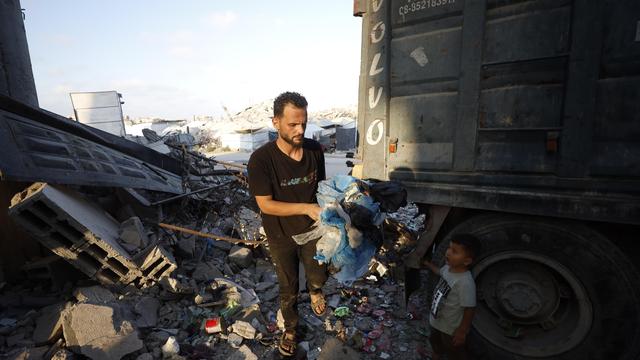
The Gaza Strip is facing an immense challenge with an estimated 60 million tons of debris accumulated. Despite existing proposals for recycling these materials, the Netanyahu government is reportedly pursuing alternative plans. The sheer volume of rubble presents a significant obstacle to reconstruction and daily life in the region. Various concepts have been developed to address the recycling of this vast amount of waste. However, the current administration's intentions diverge from these established ideas. The scale of the debris necessitates a comprehensive strategy for its removal and potential reuse. The differing approaches between recycling advocates and the government highlight a complex situation with significant implications for Gaza's future.
The immense quantity of debris in the Gaza Strip, estimated at 60 million tons, presents a critical humanitarian and logistical challenge. While recycling initiatives offer a path toward resource recovery and environmental remediation, the Netanyahu government's pursuit of unspecified alternative plans warrants scrutiny. Understanding the incentives and strategic objectives behind these diverging approaches is crucial. Potential factors could include security considerations, economic interests, or differing visions for post-conflict development. Examining the long-term implications of debris management on reconstruction efforts, public health, and regional stability will be essential in the coming decade, particularly as climate change and resource scarcity intensify.
AI-generated to prompt reflection — not editorial opinion, not advice, not a statement of fact. How this works.