Gaza War Dominates Michigan Democrats' Vote, Trump to Al-Sayed
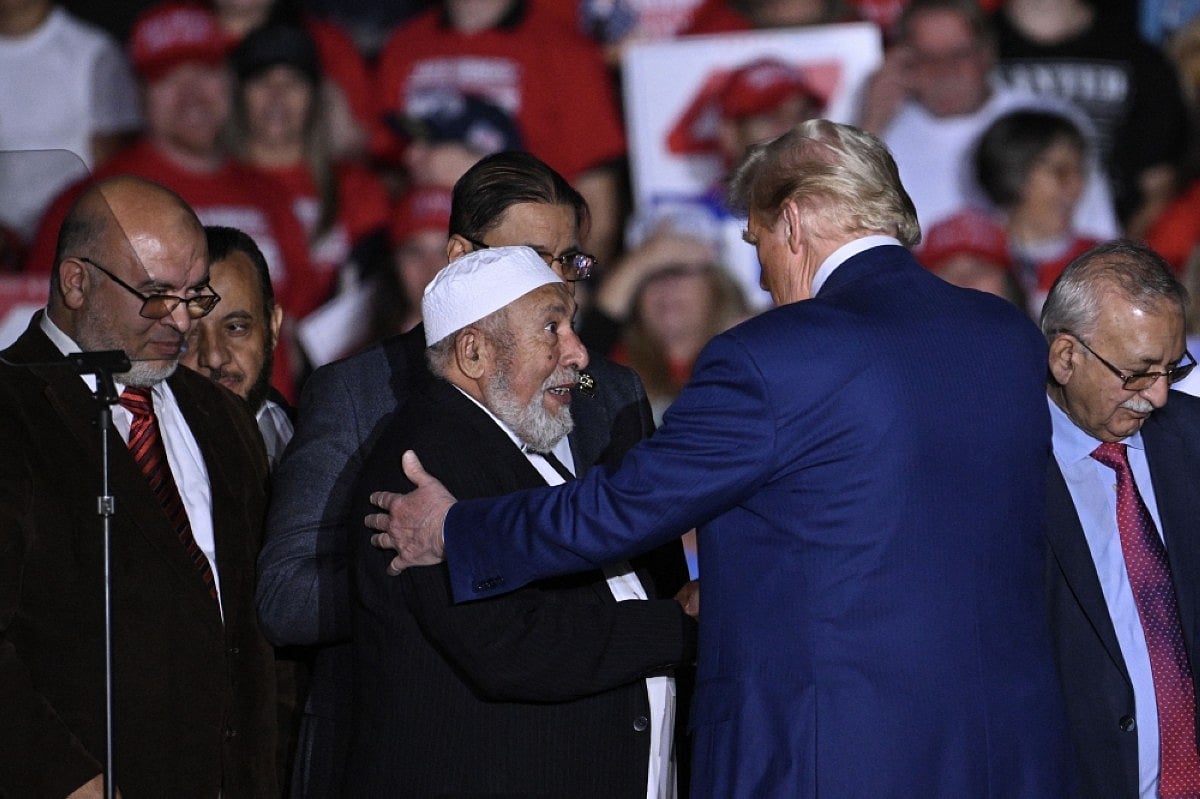
The Gaza war has emerged as a central issue for Democrats in Michigan, influencing their voting decisions. Despite former President Trump's pro-Israel policies and the ongoing conflict against Iran, Arab-Americans felt they had no viable option but to support Democratic candidate Kamala Harris in the last election. This sentiment highlights a significant shift in political priorities, where the conflict in Gaza is now a primary concern for a key demographic within the Democratic party. The Arab-American community's perspective indicates a deep dissatisfaction with current foreign policy, particularly concerning the Middle East. Their electoral choices are being heavily shaped by this geopolitical event, suggesting a potential impact on future elections. The focus on Gaza underscores the growing influence of international affairs on domestic politics, especially within diverse electoral coalitions.
The electoral landscape in Michigan reflects a complex interplay between domestic political allegiances and international events. The strong focus on the Gaza war by Arab-American voters illustrates how global conflicts can become significant drivers of domestic political sentiment, potentially overriding traditional party affiliations. This dynamic presents a challenge for political strategists aiming to build broad coalitions, as foreign policy issues gain prominence. Understanding the incentive structures that lead voters to prioritize international crises over domestic concerns is crucial for predicting future electoral behavior and for policymakers seeking to address the concerns of diverse constituent groups. The situation prompts consideration of how geopolitical events might continue to shape political discourse and voting patterns in the coming decade, particularly as global interconnectedness deepens.
AI-generated to prompt reflection — not editorial opinion, not advice, not a statement of fact. How this works.
