Gazi Nazrul Islam Expelled by Jamaat: Future of his MP Seat Uncertain
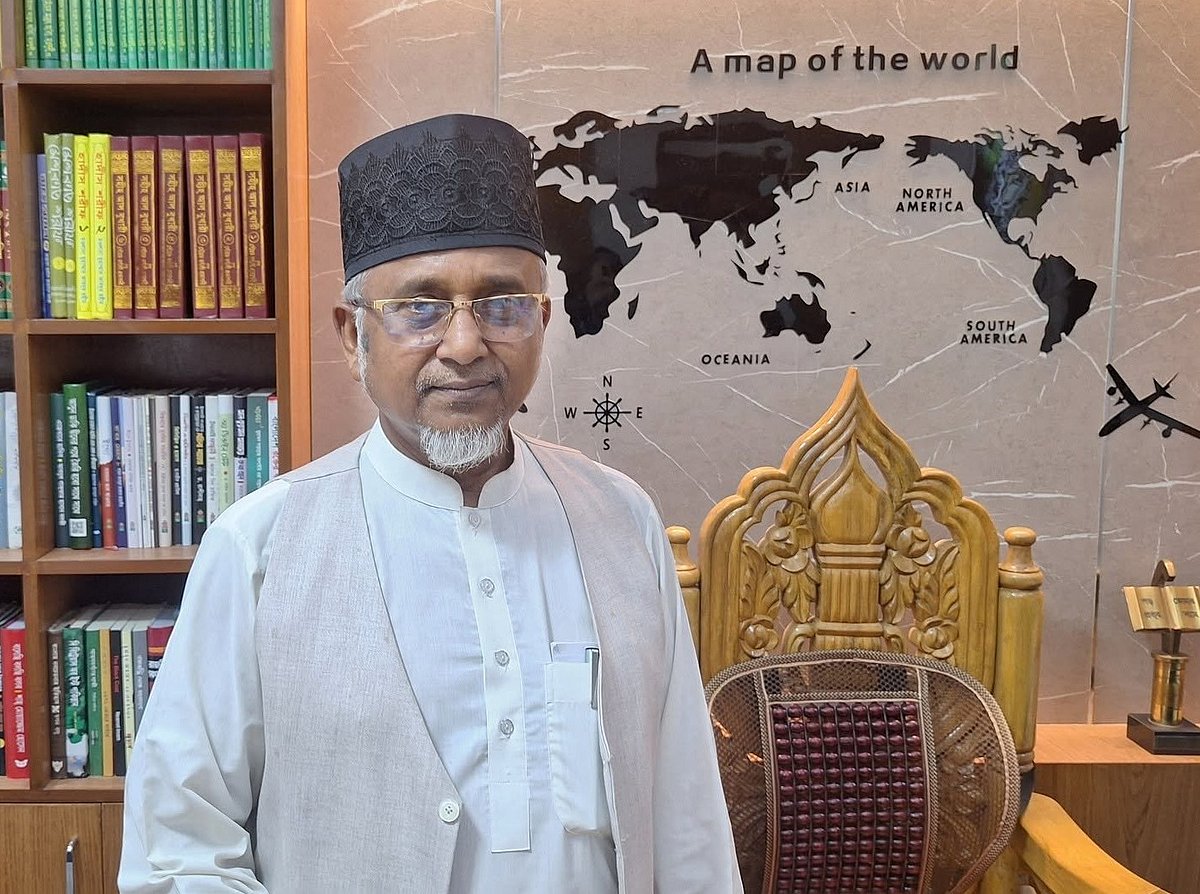
Gazi Nazrul Islam, a Member of Parliament (MP) for the Satkhira-4 constituency, has been expelled from Jamaat-e-Islami following the circulation of a private video on social media. Nazrul Islam, 74, who was serving his third term as an MP and held leadership positions within the party, including Amir of the Satkhira district branch and a member of the central Shura, faces questions about his continued parliamentary membership. The video, which showed him with a young woman, sparked controversy and protests in his constituency. Nazrul Islam had stated the woman was his second wife, but the party proceeded with his expulsion after an emergency meeting. Legally, an MP's seat can become vacant under Article 66 of the Constitution if they are convicted of a criminal offense involving moral turpitude and sentenced to at least two years imprisonment, or under Article 70 if they resign from their party or vote against it in parliament. However, the constitution does not explicitly state what happens if a party expels an elected MP. Previously, in the Eighth National Parliament, former MP Abu Hena remained in his seat after being expelled from the BNP, a decision upheld by the then-Speaker. More recently, Abdul Latif Siddique was expelled from the Awami League in 2014 for controversial remarks. While the party recommended his disqualification, the Election Commission did not make a final decision as Siddique ultimately resigned. Jamaat-e-Islami has indicated they will inform the Election Commission of Nazrul Islam's expulsion, citing 'moral lapse.' However, the constitutional grounds for disqualification due to moral lapse require a criminal conviction and a sentence of at least two years, which does not currently apply. Former Election Commissioner M. Sakhawat Hossain believes that under Article 70, an expelled party member should lose their parliamentary seat, as MPs are elected as party nominees and cannot become independent after expulsion.
The expulsion of MP Gazi Nazrul Islam from Jamaat-e-Islami raises complex questions regarding the interplay between party discipline and constitutional provisions for parliamentary membership. While the party cites 'moral lapse,' the legal framework for disqualification typically requires a criminal conviction with a minimum sentence, a threshold not apparently met in this instance. This situation highlights a potential systemic ambiguity: when a party expels a member, does it automatically trigger a vacancy under Article 70, or does it remain a matter for the Election Commission and Speaker's discretion, particularly if the expelled member does not resign? Historical precedents, such as the cases of Abu Hena and Abdul Latif Siddique, demonstrate varying outcomes and interpretations. The core issue revolves around whether an MP's mandate is primarily derived from their party nomination or from the electorate, and how party expulsion impacts this relationship within the existing legal and constitutional structure. Future legislative or judicial clarity may be needed to address such scenarios, ensuring a consistent application of electoral law and safeguarding the integrity of parliamentary representation.
AI-generated to prompt reflection — not editorial opinion, not advice, not a statement of fact. How this works.