Gaziabad Agricultural University Secures Patent for Enhancing Jackfruit Seed Nutrition
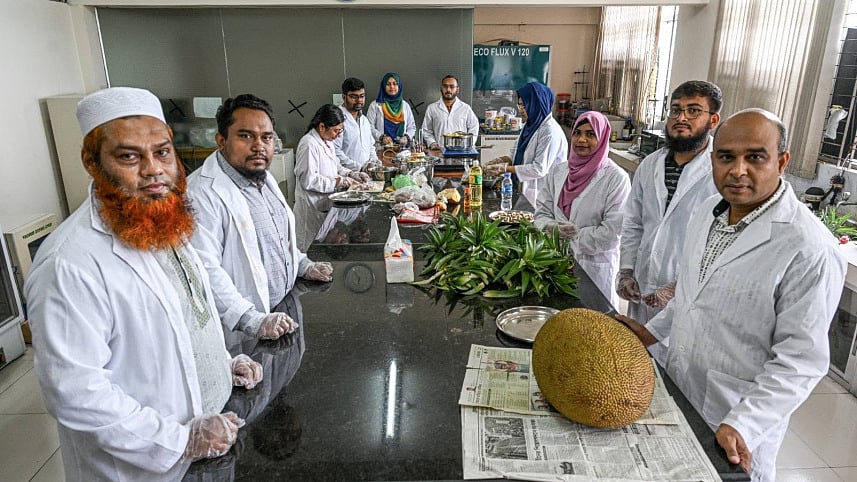
Researchers at Gaziabad Agricultural University (GAU) have developed an innovative technology to create concentrated mineral components from discarded jackfruit seeds, earning them a patent. The Directorate of Patent, Industrial Designs, and Trademarks (DPDT) under the Ministry of Industries recently granted this patent. This groundbreaking work was led by Professor Md. Emdadul Haque of the Food Engineering Department and postgraduate researcher Md. Akram Hossain.
Naturally, dried jackfruit seeds contain only about 2% minerals. However, the new technology significantly increases this mineral content to over 33%, a concentration increase of approximately 16 to 17 times. This research was financially supported by the Grants for Advanced Research and Education project of the Ministry of Education.
The researchers plan to utilize these concentrated minerals to fortify processed foods, aiming to create new food products that can help combat malnutrition. GAU Vice-Chancellor Professor G K M Mustafizur Rahman views this achievement as a new milestone in Bangladesh's agricultural and nutritional research. Professor Haque believes that commercializing this technology will introduce new nutritious food options to the market and improve the economic condition of farmers through a new jackfruit-based industry. This patent marks GAU's 21st overall, adding to their 97 developed crop varieties.
This innovation addresses the dual challenge of food waste and nutritional deficiency by valorizing a commonly discarded byproduct. By concentrating minerals from jackfruit seeds, the technology offers a potential pathway to enhance the nutritional profile of processed foods, contributing to public health objectives. The economic implications are also significant, potentially creating new market opportunities and improving farmer incomes. From a systems perspective, this development highlights the importance of investing in agricultural research and development to unlock the latent value in underutilized resources, fostering a more circular and sustainable food economy. Future considerations may involve scaling up production, ensuring the safety and efficacy of fortified products, and navigating market acceptance for novel ingredients.
AI-generated to prompt reflection — not editorial opinion, not advice, not a statement of fact. How this works.