Geely EX2 Electric Hatchback: Strengths, Weaknesses, and Future in Brazil
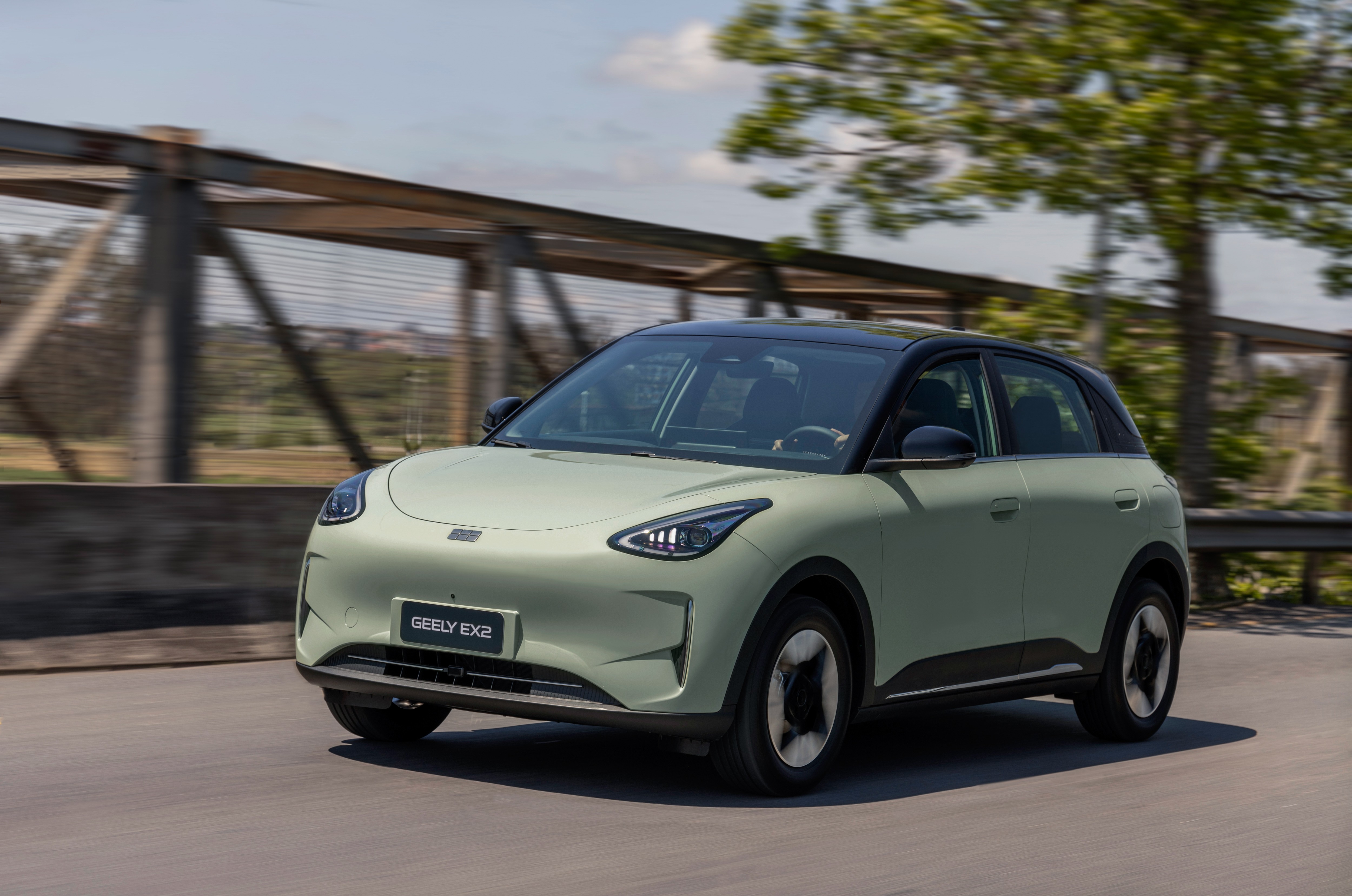
The Geely EX2 electric hatchback, priced between R$ 123,800 and R$ 136,800, is performing well in Brazil, ranking as the third best-selling electric car behind BYD models. Despite being imported from China, its sales figures are strong, with potential for further growth when production begins in Brazil. A key advantage is its affordable maintenance plan, with revisions every 20,000 km costing less than R$ 5,000 up to 140,000 km, and a generous warranty of six years for the car and eight years for the battery.
However, the EX2 has several areas for improvement. The digital instrument cluster is small and difficult to read, and the 14.6-inch infotainment system's navigation logic is complex, requiring multiple steps for simple functions. The interior uses hard plastics, lacking a premium feel compared to rivals like the BYD Dolphin, and the front seats could offer better lumbar support. A peculiar design choice includes a building silhouette graphic on the door panels and dashboard, which some find juvenile.
Despite these drawbacks, the EX2 is well-equipped, especially the Max version, featuring advanced driver-assistance systems (ADAS) like adaptive cruise control and autonomous emergency braking. While the air conditioning display seems sophisticated, it lacks automatic functionality, and wired connectivity for Android Auto and Apple CarPlay persists. The electric vehicle's pedestrian warning sound can be intrusive inside the cabin during prolonged low-speed driving. Nevertheless, its balanced mechanical setup, rear-wheel drive, and well-tuned suspension offer an enjoyable driving experience. The EX2 is considered a competitive product for the Brazilian market, with its attractive price, modern design, and practicality making it a compelling alternative to conventional hatchbacks.
The Geely EX2's entry into the Brazilian market highlights the evolving landscape of electric vehicles, driven by Chinese manufacturers and strategic partnerships like the one between Geely and Renault. The vehicle's competitive pricing and low maintenance costs address key consumer concerns, positioning it as a practical choice. However, the identified areas for improvement—infotainment usability, interior material quality, and cabin noise—underscore common challenges faced by automakers adapting global models for local preferences and regulatory environments. As Geely prepares for domestic production in São José dos Pinhais, leveraging Renault's expertise could accelerate the resolution of these issues, enhancing the EX2's appeal. The long-term success will depend on Geely's ability to balance cost-effectiveness with a refined user experience, particularly as the Brazilian automotive market increasingly embraces electrification and advanced technology.
AI-generated to prompt reflection — not editorial opinion, not advice, not a statement of fact. How this works.