Geirangerfjord Ferry Surge: Climate Minister Intervenes Amidst Emissions Dispute
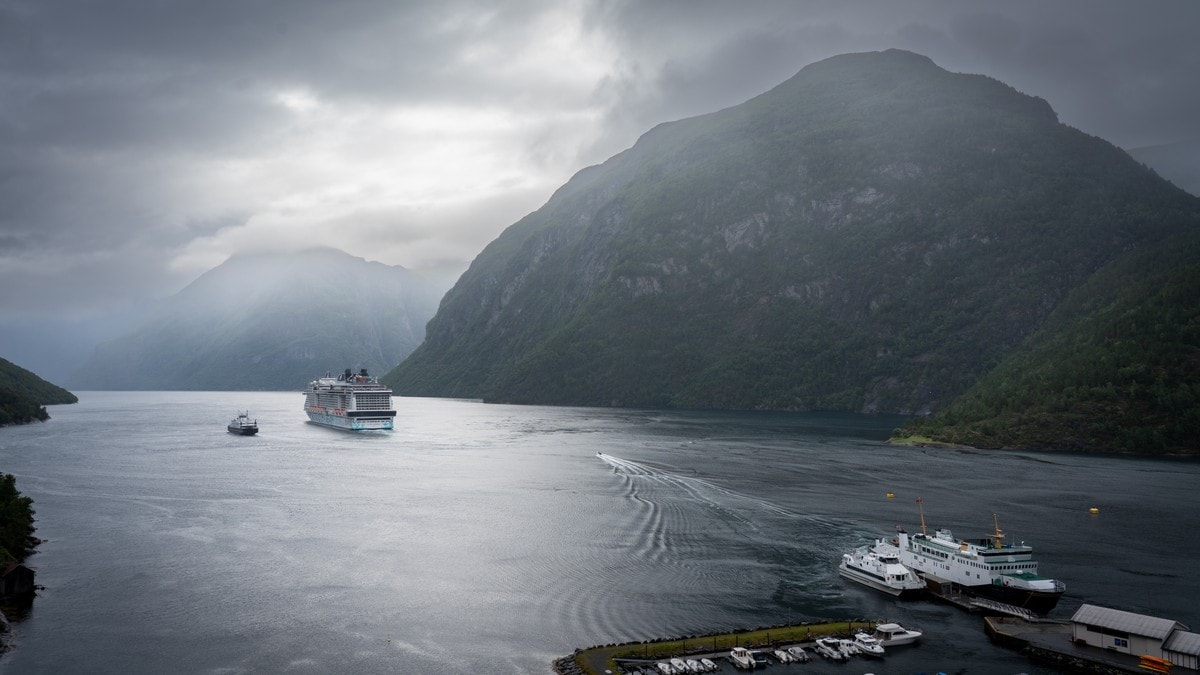
Politicians have mandated that tourist ferries operating in the Geirangerfjord must become emission-free. However, a concerning trend has emerged on the fjord: the number of older diesel-powered ferries has unexpectedly doubled. This surge in older vessels directly contradicts the stated environmental goals for the region. The situation has prompted the Climate Minister to intervene, indicating the seriousness of the issue and the need for immediate action to ensure compliance with the new regulations. The doubling of diesel ferries suggests a potential loophole or a strategic move by operators to circumvent the upcoming emission-free requirements. Further investigation is likely needed to understand the motivations behind this increase and to implement effective measures to enforce the clean energy transition in this iconic Norwegian fjord. The minister's involvement signals a high-level effort to reconcile the environmental aspirations with the operational realities faced by ferry companies.
The proliferation of older diesel ferries in Geirangerfjord, despite a mandate for emission-free operations, highlights a common tension between regulatory ambition and economic incentives. Operators may be attempting to maximize the lifespan of existing assets before stricter enforcement or new capital investments are required. This situation presents a challenge for governance, as it tests the efficacy of environmental policy when faced with potential short-term economic pressures. Future policy might consider phased transitions, incentives for early adoption of new technology, or stricter oversight of vessel registration and operation to prevent such discrepancies. The long-term sustainability of the fjord's environment, a key tourist draw, depends on aligning these operational realities with the stated climate goals.
AI-generated to prompt reflection — not editorial opinion, not advice, not a statement of fact. How this works.
