Gen Z Film Adaptation of The Odyssey Removes Sex and Moral Ambiguity
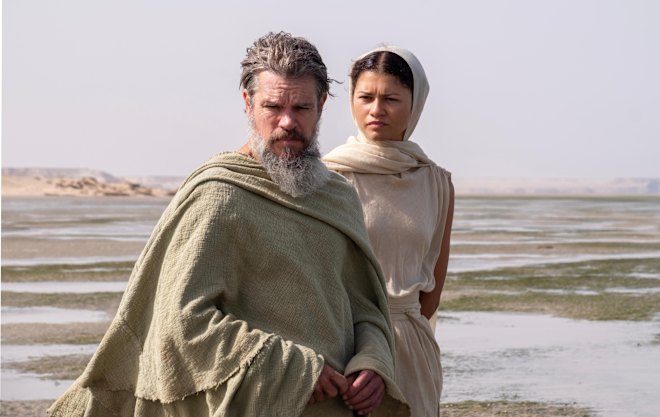
A new film adaptation of Homer's "The Odyssey" has drawn criticism for its decision to remove the poem's famous sex scenes. This excision has been noted as sapping the erotic power and agency from the female characters. Furthermore, the adaptation has also removed the moral ambiguity of the protagonist, Odysseus. The film's creators appear to have aimed for a version that aligns with contemporary sensibilities, possibly influenced by the perceived attitudes of Generation Z towards sexuality. However, critics argue that these changes fundamentally alter the epic's original themes and characterizations. The removal of these elements is seen as a significant departure from the source material, potentially diminishing the complexity and richness of the narrative. The adaptation's focus on a "zero-eros" approach has led to a neutering of the story's inherent dramatic and thematic tensions. This approach raises questions about how classic literature should be adapted for modern audiences and the potential loss of artistic integrity in such reinterpretations.
This adaptation's decision to excise explicit sexual content and moral complexity from Homer's "Odyssey" reflects a tension between preserving classical narratives and aligning them with contemporary audience expectations, particularly concerning perceived Gen Z attitudes. While aiming for broader accessibility or a perceived "safer" viewing experience, the removal of eroticism and moral ambiguity risks sanitizing the source material, potentially sacrificing thematic depth and character nuance. This approach highlights a broader debate in media adaptation about whether to prioritize faithfulness to the original work's challenging themes or to reinterpret them through a modern lens, which may inadvertently dilute the original's artistic and cultural impact. Future adaptations may need to navigate this balance more carefully, considering how to engage contemporary audiences without compromising the integrity of foundational literary works.
AI-generated to prompt reflection — not editorial opinion, not advice, not a statement of fact. How this works.