Gen-Z Ignites Education Reform Debate: Will Modi Government Act?
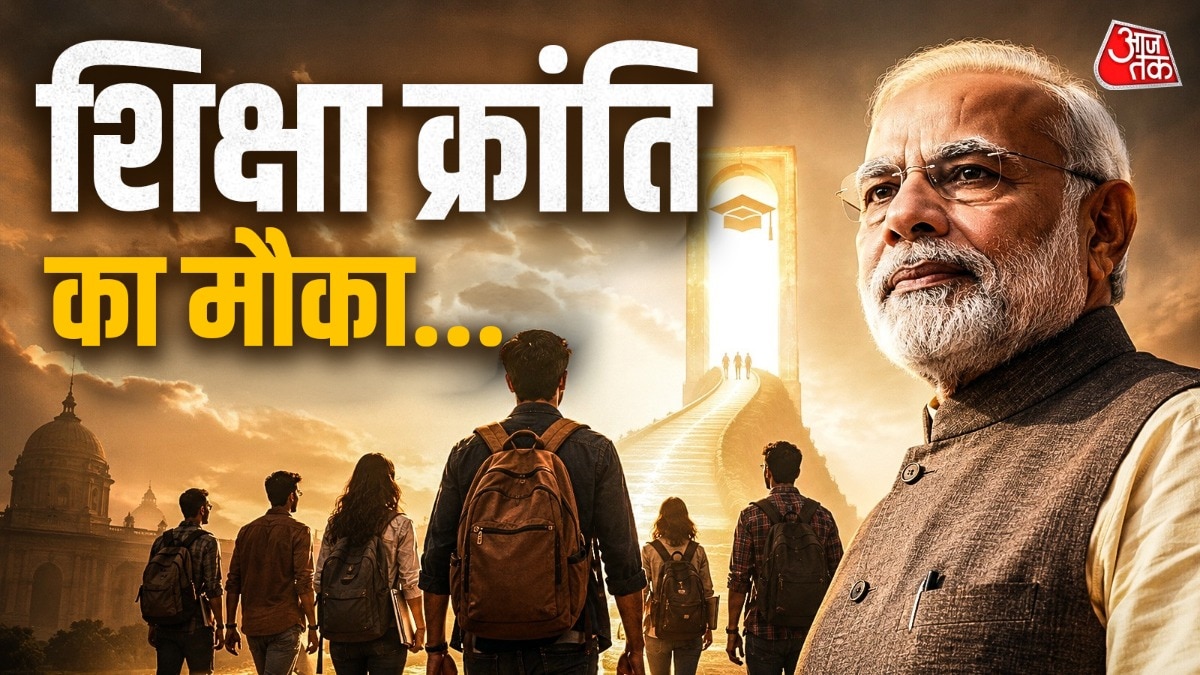
The NEET exam paper leak controversy and subsequent student protests have shaken the foundations of India's education system. Following the Education Minister's resignation and the formation of a Nandan Nilekani task force, a crucial question arises: Will the Modi government limit its response to damage control, or will it address decades-old systemic flaws to initiate a new 'education revolution'? This moment calls for significant changes beyond the immediate controversy.
The widespread student activism highlights deep-seated issues within the examination and admission processes. The demand for reform is not merely about the NEET exam but reflects a broader dissatisfaction with the current educational framework. The formation of the task force suggests an acknowledgment of the problem's gravity, but its effectiveness will depend on the government's willingness to implement substantial reforms.
The recent student-led protests, triggered by the NEET paper leak, underscore a critical juncture for India's educational governance. The mobilization of Gen-Z demonstrates a growing demand for systemic accountability and transparency in national examination processes. The establishment of a task force, while a procedural step, presents an opportunity to critically evaluate and reform long-standing structural weaknesses. The challenge for the Modi government lies in transcending short-term damage mitigation to implement durable solutions that address the root causes of educational inequity and exam integrity issues, potentially reshaping the future of higher education access in India.
AI-generated to prompt reflection — not editorial opinion, not advice, not a statement of fact. How this works.