Gen-Z's Digital Strike: Ranchi Student Protest Gains National Attention Without Traditional Support
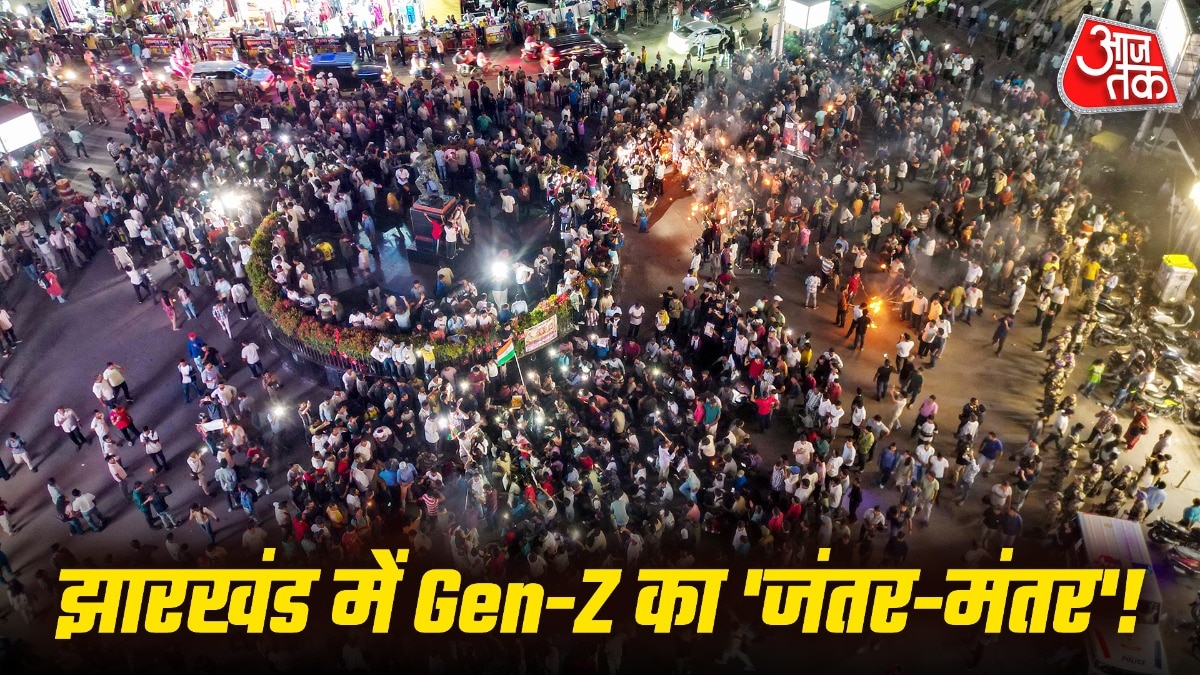
A student protest in Ranchi, Jharkhand, against alleged irregularities in Jharkhand Public Service Commission (JPSC) and JSSC exams has evolved into a new form of 'digital strike' by Gen-Z. The demonstration, held at Jaipal Singh Munda Stadium and Bapu Vatika, has continued for six days without significant political funding, established leaders, or the backing of major political parties. Despite the lack of traditional support structures, millions of students have sustained the movement, successfully drawing the attention of national media and organizations. This protest highlights a modern approach to activism, leveraging digital platforms to mobilize and amplify student concerns on a national scale. The sustained engagement over six days underscores the determination of the student community to address perceived injustices in the examination processes.
This student-led protest in Ranchi demonstrates a significant shift in activist mobilization, leveraging digital communication channels to achieve national visibility without relying on traditional political or financial backing. The movement's success suggests that Gen-Z's engagement strategies are evolving beyond conventional protest models, potentially indicating a growing capacity for decentralized, digitally-native activism. This phenomenon warrants examination through the lens of future organizational structures, where online networks could increasingly supersede established institutions in driving social and political discourse. The challenge for authorities and established bodies will be to adapt to these new forms of collective action, which appear less susceptible to traditional methods of negotiation or suppression.
AI-generated to prompt reflection — not editorial opinion, not advice, not a statement of fact. How this works.
