Gen Z Slang 'Farm Aura' and 'Six Seven' Go Viral, Inspiring Competitions
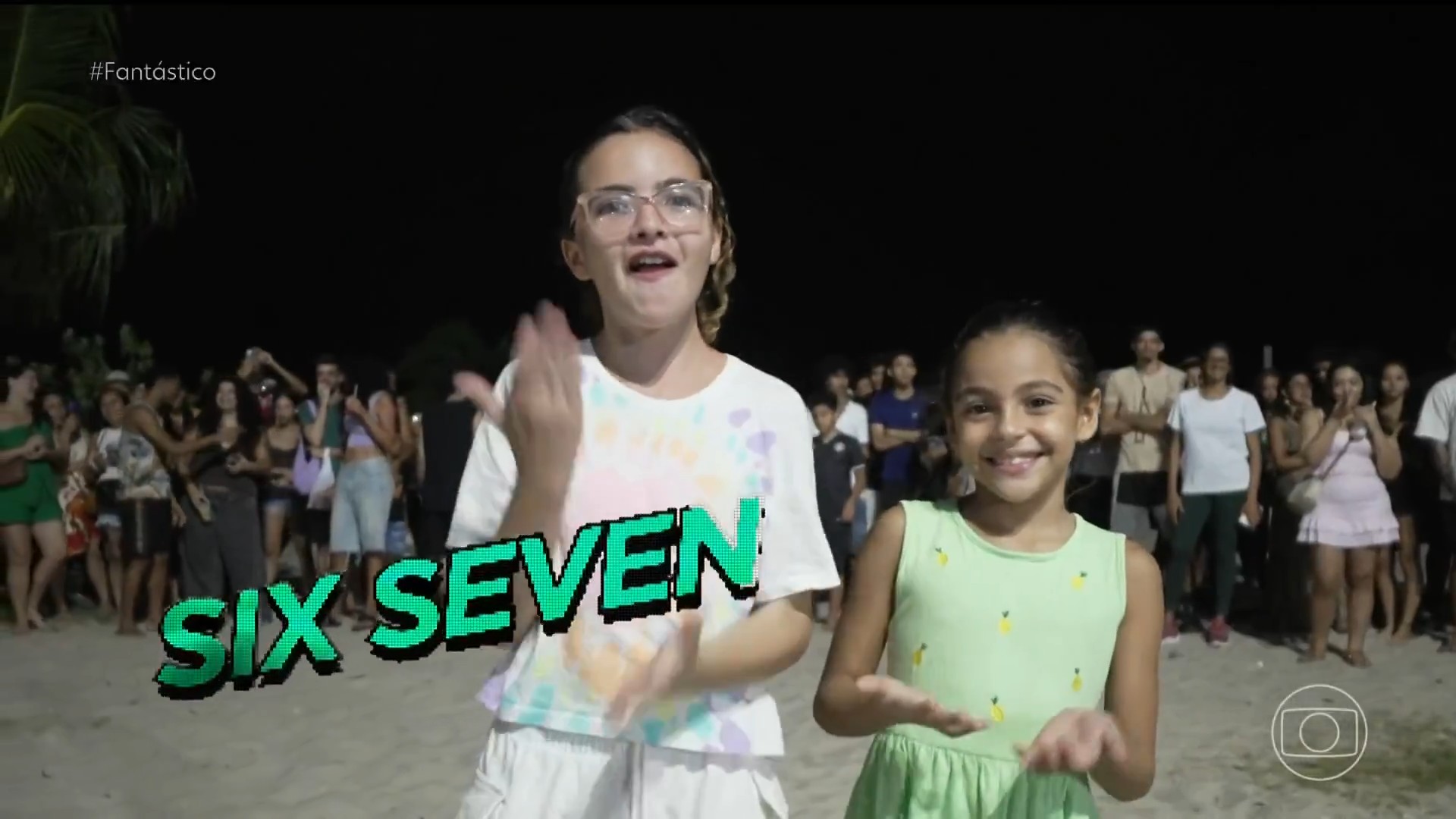
Two slang terms, 'farmar aura' and 'Six Seven,' originating from Generation Z, have gained significant traction on social media, particularly among young people in Brazil. 'Farmar aura,' a term derived from video games where 'farming' means accumulating resources, translates to cultivating charisma, style, confidence, and presence in real life. It involves increasing one's prestige through striking gestures, stylish actions, or creative presentations. The expression 'Six Seven' is often used alongside 'farmar aura' and draws inspiration from various pop culture elements, including a song by rapper Skrilla, basketball player LaMelo Ball (whose height is 6 feet 7 inches), and a viral video from a US basketball game. This gesture has spread globally and is frequently repeated in social media videos. The popularity of these expressions has extended beyond the internet, leading to live 'farmar aura' championships in various Brazilian states. Competitors are judged on creativity, originality, stage presence, audience interaction, and the demonstration of 'aura.' While the terms are new, the underlying desire to appear charismatic and gain attention is timeless, now simply reframed by Gen Z's language. Notably, older social media personalities Tarcísio and Maria Helena, who focus on content for the 60+ demographic, have embraced and explained these trends, demonstrating that learning new expressions is ageless. They view 'farmar aura' as cultivating a cool attitude and striving to be one's best self, participating as judges in competitions and appreciating the creativity it fosters.
The viral spread of Gen Z slang like 'farmar aura' and 'Six Seven' highlights the evolving nature of digital communication and social signaling. These phenomena demonstrate a contemporary manifestation of age-old desires for social status and recognition, recontextualized through gaming and internet culture. The transition from online trends to organized offline events, such as championships, indicates a growing integration of digital identity and performance into social capital. The participation of older demographics in explaining and engaging with these trends suggests a broader societal adaptation to rapid cultural shifts driven by youth-led digital movements. This trend underscores the increasing influence of online communities in shaping social norms and the continuous evolution of language as a tool for group affiliation and distinction in the digital age.
AI-generated to prompt reflection — not editorial opinion, not advice, not a statement of fact. How this works.