Gen-Z Slang Takes Over Student Protests at Delhi's Jantar Mantar
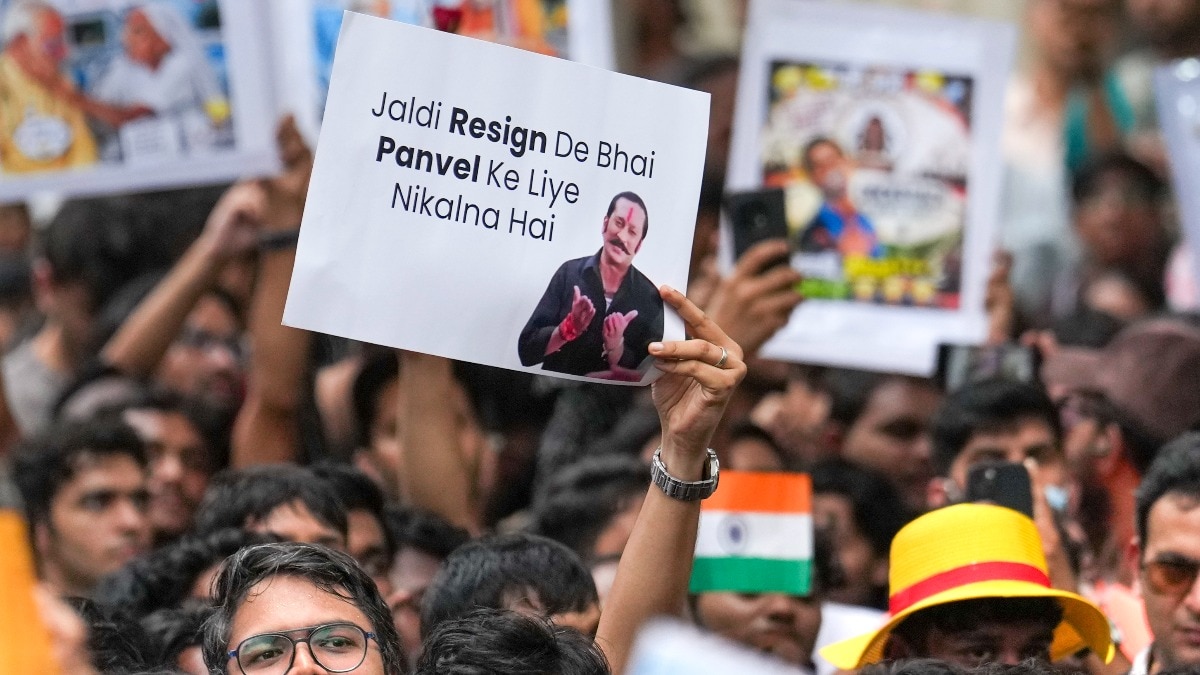
Student protests currently underway at Delhi's Jantar Mantar have been significantly influenced by Gen-Z's unique language and emerging trends, effectively integrating the demonstration into social media discourse. The movement distinguishes itself by lacking a single designated leader, instead functioning as a unified force driven entirely by the students involved. This approach highlights a shift in protest dynamics, where decentralized leadership and contemporary communication styles are becoming prominent. The use of specific slang terms, such as 'kuchupuchu' and 'Korean heart,' reflects the cultural lexicon of the younger generation and their methods of expression. These linguistic elements have contributed to the protests gaining traction online, making them a visible part of the digital conversation. The collective nature of the student-led movement underscores a desire for shared agency and a departure from traditional hierarchical protest structures. The integration of social media trends and Gen-Z vernacular signifies a modern adaptation of activism.
The integration of Gen-Z slang and social media trends into student-led protests at Jantar Mantar reflects a broader societal shift in communication and activism. This decentralized approach, characterized by the absence of a single leader and the adoption of contemporary vernacular, allows for rapid dissemination of messages and broader engagement across digital platforms. Such strategies can amplify the reach of movements but also present challenges in maintaining a cohesive narrative and unified demands. The reliance on ephemeral digital trends may also raise questions about the long-term sustainability and strategic depth of the movement's objectives. Understanding these evolving dynamics is crucial for analyzing future forms of civic engagement in the digital age.
AI-generated to prompt reflection — not editorial opinion, not advice, not a statement of fact. How this works.