Gender Disparities in Senegalese Theater Examined
Senegalese theater has played a significant role in shaping public discourse and citizen debate since the country's independence. In 1965, President Léopold Sédar Senghor established the Théâtre national Daniel Sorano, intending it as a tool for 'national awareness.' Following this, theater emerged as a key platform for staging political discussions and addressing societal issues.
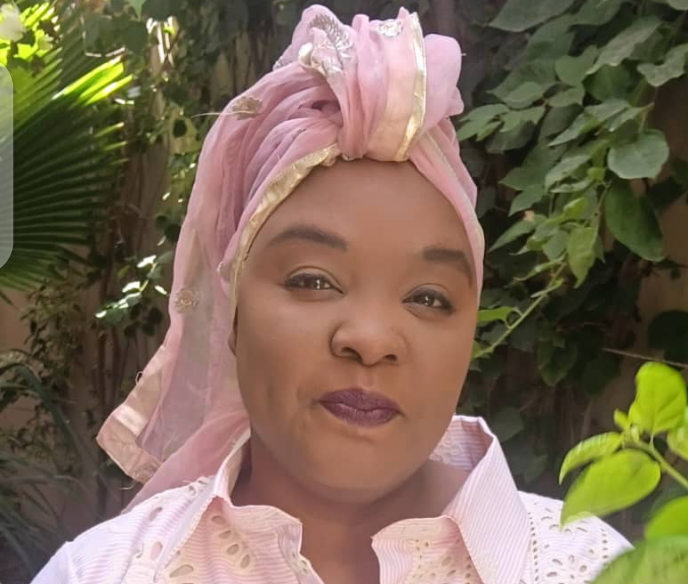
However, journalist Mame Famew Camara's work highlights persistent gender disparities within this vital cultural sector. Despite the theater's historical importance in public life, the contributions and opportunities for women within Senegalese theater appear to be unevenly distributed. This suggests that while the institution has served its purpose in national consciousness-building, it may not have fully achieved gender equity.
The establishment of the Théâtre national Daniel Sorano in 1965 by President Léopold Sédar Senghor marked a deliberate effort to leverage theater as a tool for national consciousness and civic engagement in post-independence Senegal. While this initiative successfully positioned theater as a platform for political and social dialogue, subsequent analysis by journalist Mame Famew Camara points to enduring gender disparities within the field. This situation invites examination of the institutional structures and cultural norms that may perpetuate inequalities, even within sectors designed for public benefit. Moving forward, fostering equitable participation will be crucial for maximizing the theater's potential to reflect the full spectrum of Senegalese society and its evolving public debates.
AI-generated to prompt reflection — not editorial opinion, not advice, not a statement of fact. How this works.