Gender legal scholars point to double standards in family unity regarding Imperial House Law reform
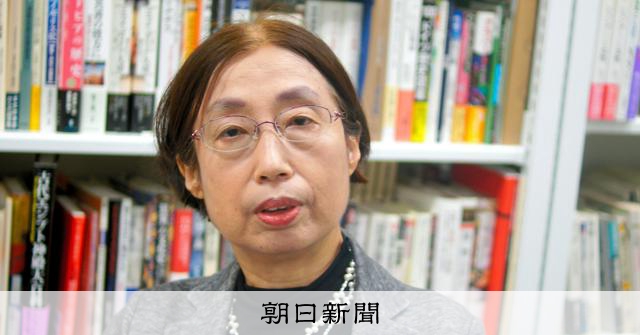
Gender legal scholars have raised concerns about double standards within the Imperial House Law concerning family unity. The ongoing discussions surrounding the potential revision of the Imperial House Law have brought these issues to the forefront. Scholars argue that the current framework may create an uneven application of principles related to family cohesion. This disparity is particularly highlighted when considering the differing expectations placed upon male and female members of the Imperial family. The debate centers on how reforms could address these perceived inequalities. The scholars emphasize the importance of consistent application of laws to foster a genuine sense of family unity. Their analysis suggests that a revised law should strive for greater equity. This could involve re-evaluating traditional norms that may inadvertently lead to discriminatory outcomes. The focus is on ensuring that any future legislation upholds principles of fairness for all members of the Imperial household. Ultimately, the goal is to achieve a more harmonious and equitable family structure within the context of the Imperial system.
The discourse surrounding the Imperial House Law reform, particularly from gender legal scholars, highlights a potential tension between tradition and evolving societal norms regarding gender equity. The scholars' critique suggests that existing legal frameworks may inadvertently perpetuate dual standards in defining family unity, potentially impacting the perceived legitimacy and inclusivity of the Imperial institution. As society increasingly emphasizes equality, legal structures governing hereditary institutions face scrutiny for their alignment with these broader principles. Future reforms will likely need to navigate the complex interplay of historical precedent, public expectation, and the imperative for equitable treatment to ensure the long-term relevance and stability of such institutions in the coming decade.
AI-generated to prompt reflection — not editorial opinion, not advice, not a statement of fact. How this works.