Gender Voting Gap Threatens Democratic Foundations
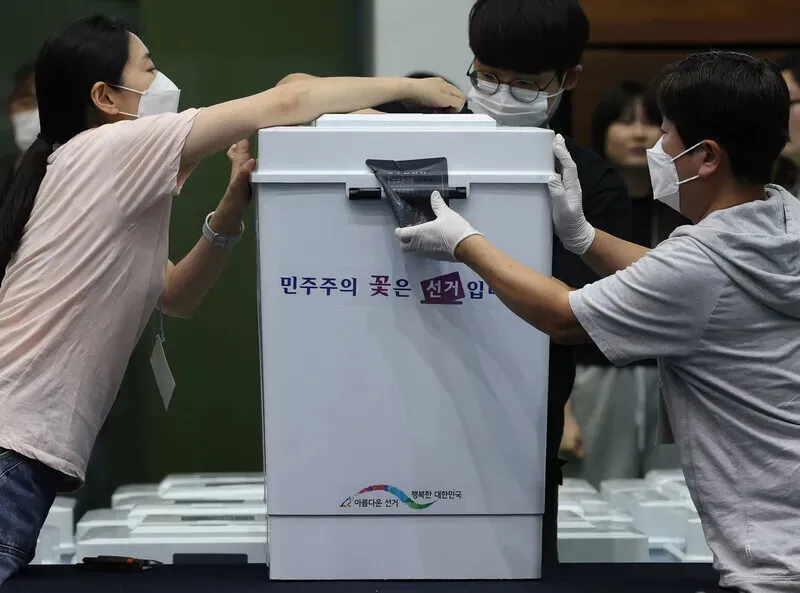
A widening gender voting gap poses a significant threat to the bedrock of democracy. This phenomenon, where men and women exhibit increasingly divergent voting patterns, can lead to political polarization and a skewed representation of the electorate's will. When a substantial portion of the population feels their specific concerns are not being addressed by the dominant political discourse, it can foster disillusionment and disengagement from the democratic process. Such a divide can also make it more challenging for policymakers to craft legislation that reflects the needs and perspectives of the entire populace. The erosion of a shared political understanding can weaken social cohesion and hinder constructive dialogue necessary for a healthy democracy. Addressing this gap is crucial for ensuring that democratic institutions remain representative and responsive to all citizens. Failure to do so risks undermining the legitimacy and effectiveness of democratic governance.
The increasing divergence in voting patterns between genders presents a challenge to representative democracy. This trend may indicate that political parties and platforms are not adequately appealing to or addressing the distinct concerns of different demographic groups. Such a gap can lead to policy outcomes that disproportionately benefit one segment of the population over another, potentially exacerbating societal inequalities. From a systems perspective, political actors must consider how to broaden their appeal and ensure inclusive representation to maintain democratic legitimacy. Over the next decade, the ability of political systems to bridge these divides will be a key indicator of their resilience and adaptability in an increasingly fragmented social landscape.
AI-generated to prompt reflection — not editorial opinion, not advice, not a statement of fact. How this works.