Gene Therapy Hopes Dashed as Chinese Girl Dies Amidst Missing "Check Functions"
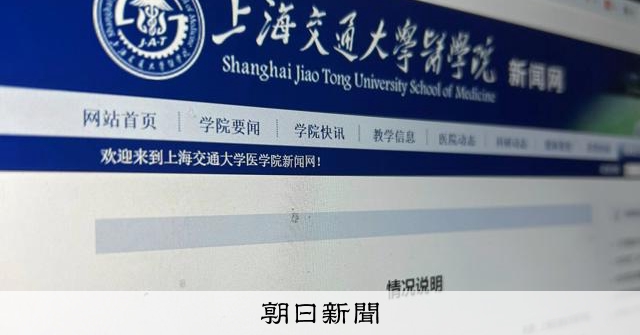
A young girl in China has died following a gene therapy treatment, raising serious questions about the safety and oversight of such experimental medical procedures. The incident highlights a critical lack of "check functions" within the treatment's protocol, suggesting that essential safety mechanisms were either absent or failed to operate effectively. This tragic outcome comes at a time when gene therapy holds significant promise globally for treating a range of genetic disorders. The case underscores the inherent risks associated with cutting-edge medical interventions, particularly when regulatory frameworks and clinical safeguards may not be fully established or rigorously enforced. Further investigation is expected to reveal the specific failures that contributed to the girl's death and inform future safety standards for gene therapy worldwide. The global medical community is closely watching this development, as it could impact the pace and direction of gene therapy research and implementation.
The reported death of a child undergoing gene therapy in China, attributed to a lack of "check functions," points to systemic challenges in the rapid deployment of advanced medical technologies. While gene therapy offers immense potential, its development and application necessitate robust regulatory oversight and rigorous clinical validation to mitigate inherent risks. This incident may prompt a re-evaluation of safety protocols and the balance between innovation and patient protection in emerging medical fields. The global imperative is to establish standardized, transparent safety checks that can keep pace with scientific advancements, ensuring that the pursuit of novel treatments does not compromise patient well-being. Future developments will likely focus on strengthening governance structures and fostering international collaboration to share best practices and address potential vulnerabilities in experimental therapies.
AI-generated to prompt reflection — not editorial opinion, not advice, not a statement of fact. How this works.