Generative AI's Impact on Human Intelligence: A Growing Concern
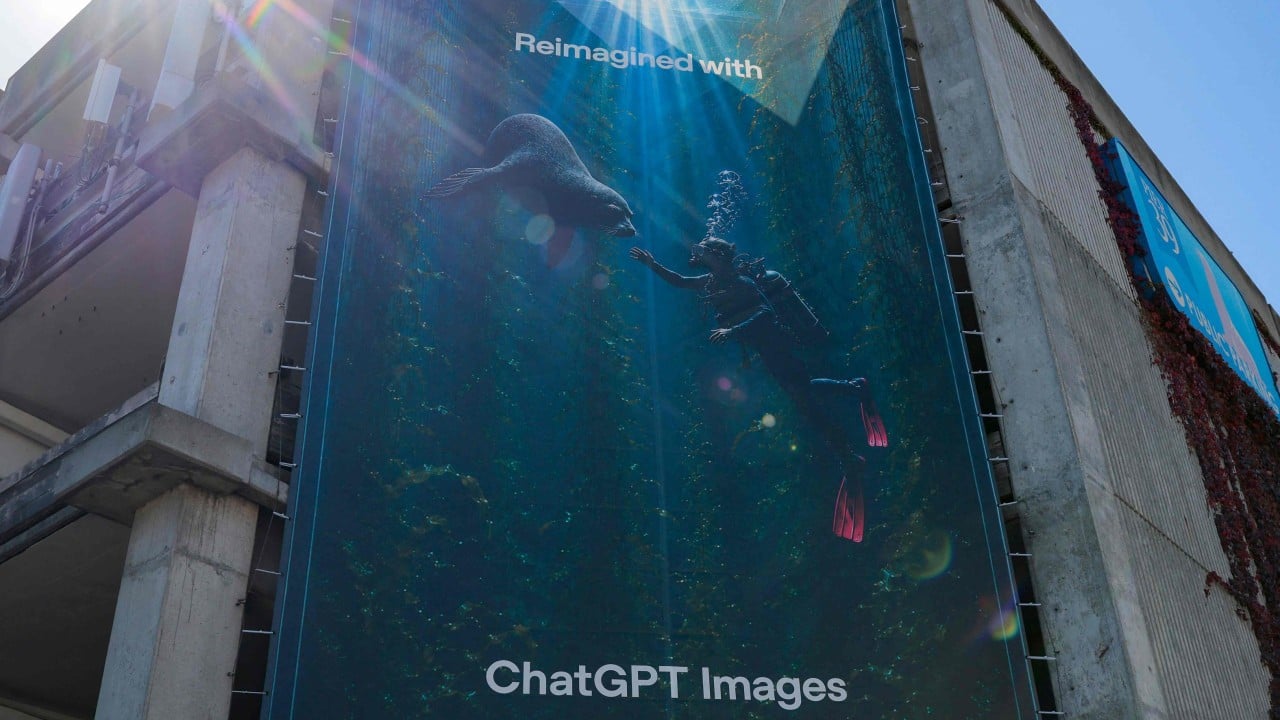
The widespread availability of generative AI chatbots, such as ChatGPT and Claude, capable of performing tasks like writing, translation, and planning, has sparked debate about their potential impact on human cognitive abilities. These AI tools can generate usable responses from simple natural-language prompts, affecting various aspects of life. Their influence is being observed in educational institutions, professional environments including offices and courtrooms, and personal daily routines. This increasing reliance on AI for tasks previously requiring human intellect raises questions about whether human brainpower might decline due to underutilization. The accessibility and versatility of these AI systems suggest a significant shift in how individuals approach problem-solving and information processing. As AI becomes more integrated into our lives, understanding its long-term effects on human intelligence and critical thinking skills is becoming increasingly important. The trend points towards a future where human-AI collaboration is the norm, necessitating a careful consideration of how to maintain and enhance human cognitive functions.
The proliferation of advanced generative AI tools presents a complex societal challenge. While these technologies offer unprecedented efficiency and accessibility for various tasks, their increasing integration into daily life prompts critical examination of potential cognitive over-reliance. This dynamic raises questions about the long-term implications for human problem-solving skills, critical thinking, and creativity. Future societal structures will likely need to balance the benefits of AI-driven automation with intentional strategies to foster and maintain human intellectual development. Understanding the incentive structures driving AI adoption and its downstream effects on education and workforce development will be crucial for navigating this evolving landscape and ensuring that technological advancement complements, rather than diminishes, human cognitive capabilities.
AI-generated to prompt reflection — not editorial opinion, not advice, not a statement of fact. How this works.