Genesis Energy Proposes Ban on Incandescent Light Bulbs
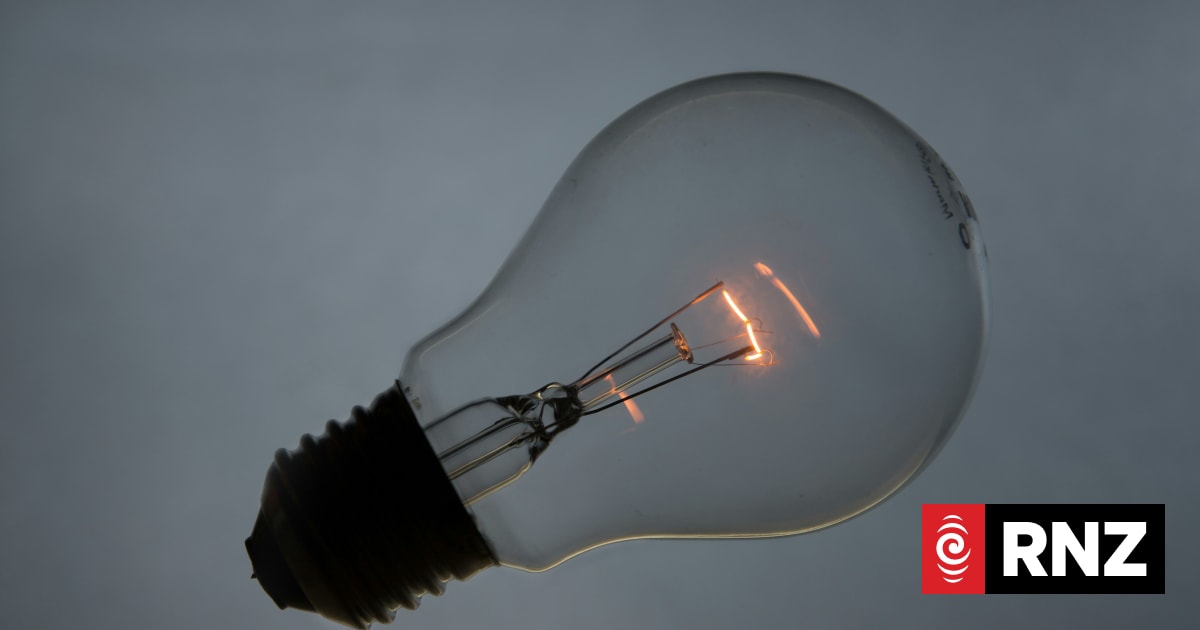
Genesis Energy, an Australian power company, has proposed a ban on the sale of incandescent light bulbs. The company argues that this move is driven by efficiency and cost savings for consumers. Genesis claims that one dollar spent on lighting provides significantly more illumination with LEDs compared to traditional incandescent bulbs. Specifically, they state that one dollar can purchase 250 hours of light from an LED bulb, whereas the same dollar would only yield 25 hours of light from an incandescent bulb. This suggests a tenfold difference in energy efficiency and cost-effectiveness over time. The proposal aims to encourage a transition towards more energy-efficient lighting solutions across Australia.
Genesis Energy's proposal to ban incandescent bulbs highlights a common global trend toward phasing out less efficient technologies. The company's economic argument, emphasizing the cost per hour of light, frames the transition as a consumer benefit. This approach leverages market dynamics and consumer economics to drive adoption of newer technologies. From a systemic perspective, such bans can contribute to broader energy conservation goals and reduce strain on electricity grids. Looking ahead, the continued push for energy efficiency in lighting aligns with a broader societal shift towards sustainability and reduced carbon footprints, driven by both regulatory pressures and evolving consumer awareness of environmental and economic trade-offs.
AI-generated to prompt reflection — not editorial opinion, not advice, not a statement of fact. How this works.