Genetic Analysis Reveals Illegal Trade of 1,500 Sea Cucumbers at São Paulo Airport
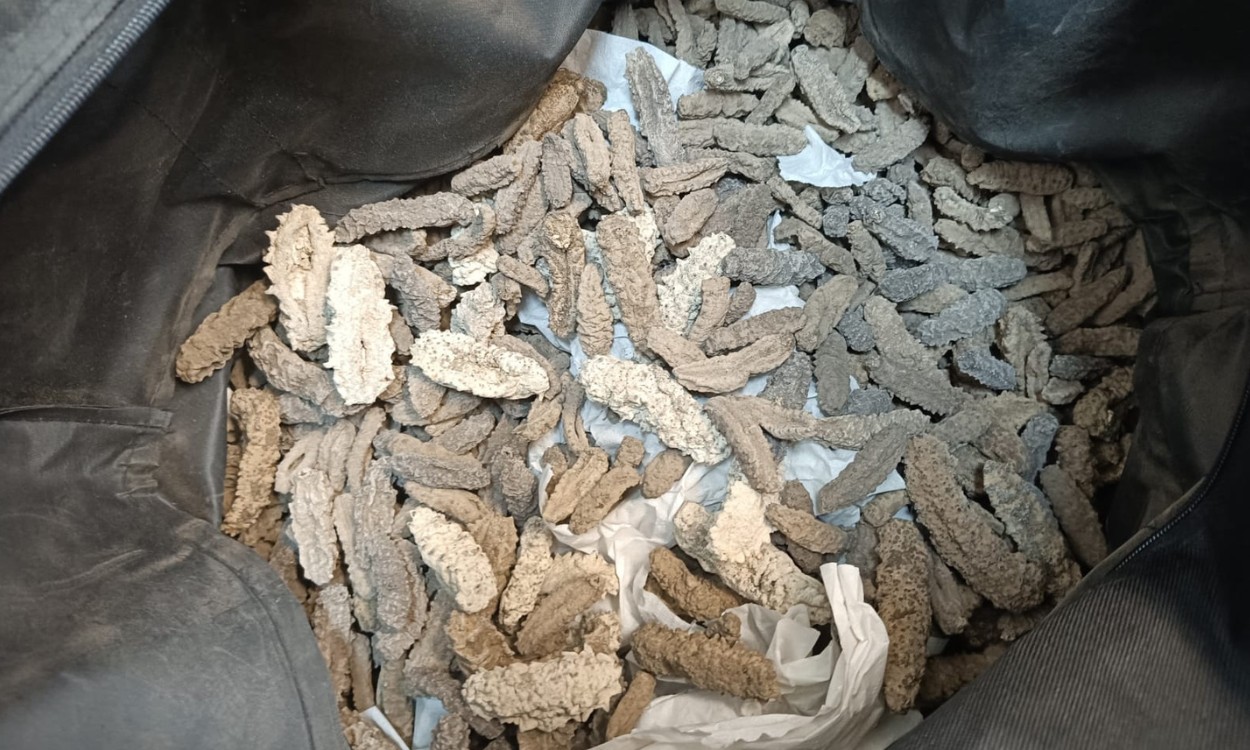
Researchers from São Paulo State University (Unesp) have utilized genetic analysis, specifically DNA barcoding, to identify two Brazilian sea cucumber species, Holothuria grisea and Isostichopus badionotus, within illegally seized cargo at São Paulo's Guarulhos International Airport. The study examined three separate seizures made by Brazil's environmental agency, Ibama, in 2023: two suitcases bound for China and one box destined for Italy. Due to the animals being dried and processed, physical identification was impossible, necessitating the use of genetic markers. Scientists faced challenges, including the lack of existing genetic sequences for Holothuria grisea in public databases, requiring them to collect local specimens to establish a reference. While DNA barcoding accurately identifies species, the current genetic markers are not refined enough to pinpoint the exact origin beach or municipality within Brazil. However, researchers are confident the specimens were sourced from the Brazilian coast, as these species naturally occur there and there is no commercial aquaculture for them in the country. The scale of the seizures is significant, with approximately 1,500 sea cucumbers across the three analyzed shipments, leading researchers to believe this represents only a fraction of the actual illegal trade. Sea cucumbers play a critical role in marine ecosystems by processing sediments, recycling nutrients, and oxygenating the seabed, thus supporting benthic biodiversity. Intensive removal disrupts these vital ecological services, potentially impacting entire ecosystems. Despite the 'Least Concern' IUCN classification for these species, scientists caution that this status may be outdated or insufficient, especially given the lack of comprehensive monitoring for many sea cucumber populations globally and in Brazil. Slow growth and low reproductive rates make these animals particularly vulnerable to overexploitation. Long-term observations by researchers in areas like Ubatuba suggest noticeable population declines, indicating that exploitation impacts may be occurring even before official quantitative assessments can be made. The study advocates for genetics as a crucial tool for environmental authorities to combat illegal trade, but emphasizes the need for expanded genetic databases, population monitoring, and strengthened enforcement to effectively address the issue.
This study highlights a significant gap between international market demand for sea cucumbers, driven by culinary and traditional medicine uses primarily in Asian markets, and the lack of robust monitoring and regulation of their harvesting in Brazil. The reliance on genetic identification for seized goods underscores the sophisticated nature of illegal wildlife trafficking, which often processes animals to obscure their origin. While the current genetic markers can identify species, the inability to trace them to specific collection sites presents a challenge for targeted conservation and enforcement. The research points to a potential ecological crisis, as the removal of sea cucumbers disrupts essential marine ecosystem services, impacting biodiversity and seabed health. The 'Least Concern' classification for these species, coupled with limited population data, suggests a potential underestimation of their vulnerability, especially given their slow growth and recovery rates. This situation exemplifies a broader challenge in managing natural resources where economic incentives for exploitation outpace scientific understanding and regulatory capacity, particularly in extensive coastlines like Brazil's.
AI-generated to prompt reflection — not editorial opinion, not advice, not a statement of fact. How this works.