Genetic Evidence Leads to 30-Year Sentence for Serial Abuser
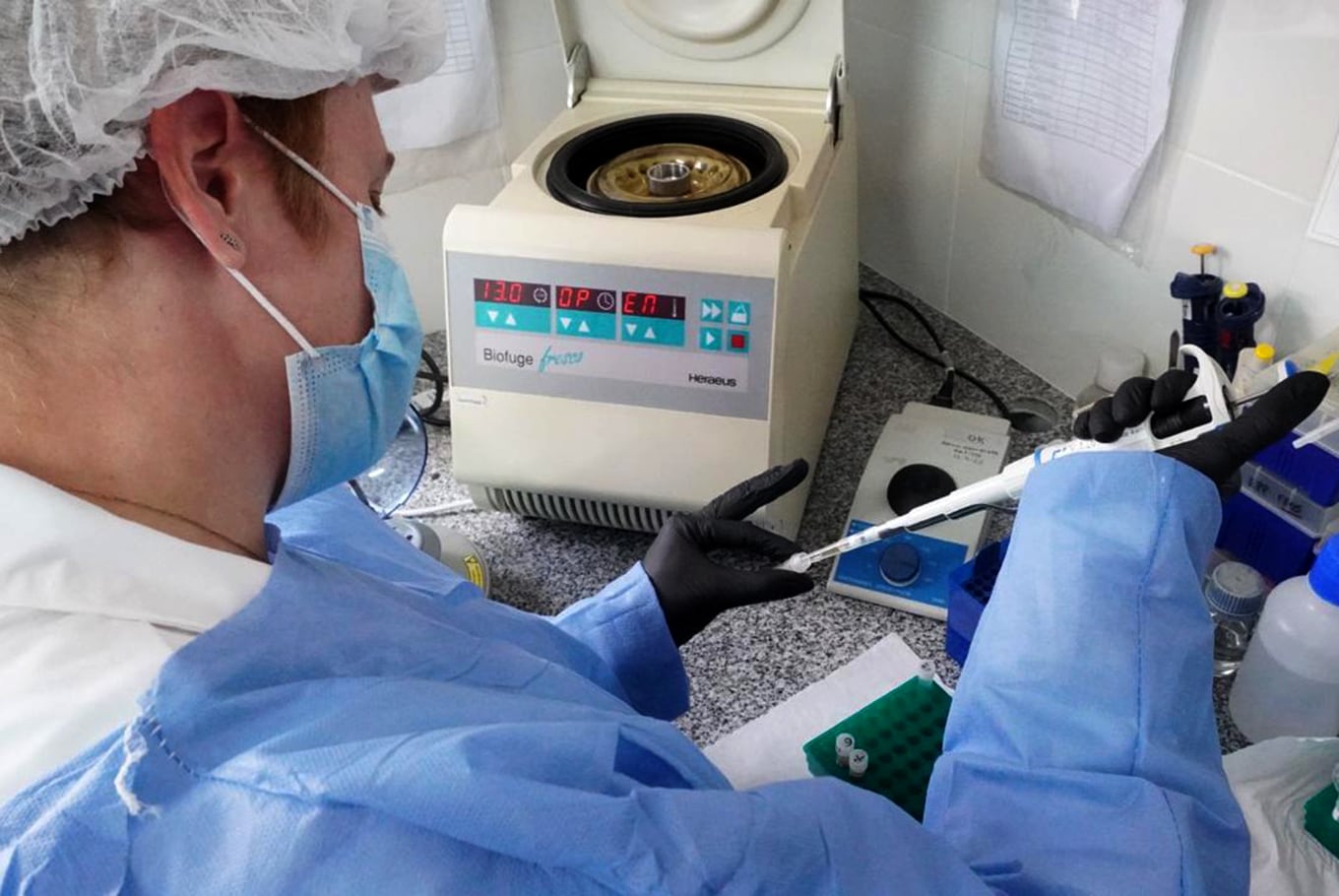
Sebastián Figueroa, a 40-year-old man from Mar del Plata, has been sentenced to 30 years in prison by the Oral Criminal Court No. 1 of Quilmes. The conviction was secured through crucial genetic evidence, which proved instrumental in identifying Figueroa as a serial abuser. His attacks reportedly began in 2010. The court's decision highlights the significant role of forensic science in bringing perpetrators of serious crimes to justice. This case underscores the long-term impact of such offenses and the extended period over which investigations can unfold before a resolution is reached. The sentence reflects the severity of the crimes committed over more than a decade.
The successful prosecution of Sebastián Figueroa demonstrates the increasing effectiveness of forensic genetic analysis in resolving cold cases and identifying serial offenders. This case highlights how advancements in DNA technology can overcome the challenges posed by the passage of time, potentially deterring future criminal activity by increasing the perceived risk of identification. The 30-year sentence suggests a judicial system prioritizing public safety and accountability for offenses spanning a significant period. Looking ahead, the integration of sophisticated genetic databases and analytical tools will likely continue to reshape law enforcement's capacity to address persistent criminal threats, while also raising ongoing considerations regarding data privacy and ethical usage.
AI-generated to prompt reflection — not editorial opinion, not advice, not a statement of fact. How this works.