Genetics Dictate Cancer Risk After DNA Damage, Mouse Study Shows
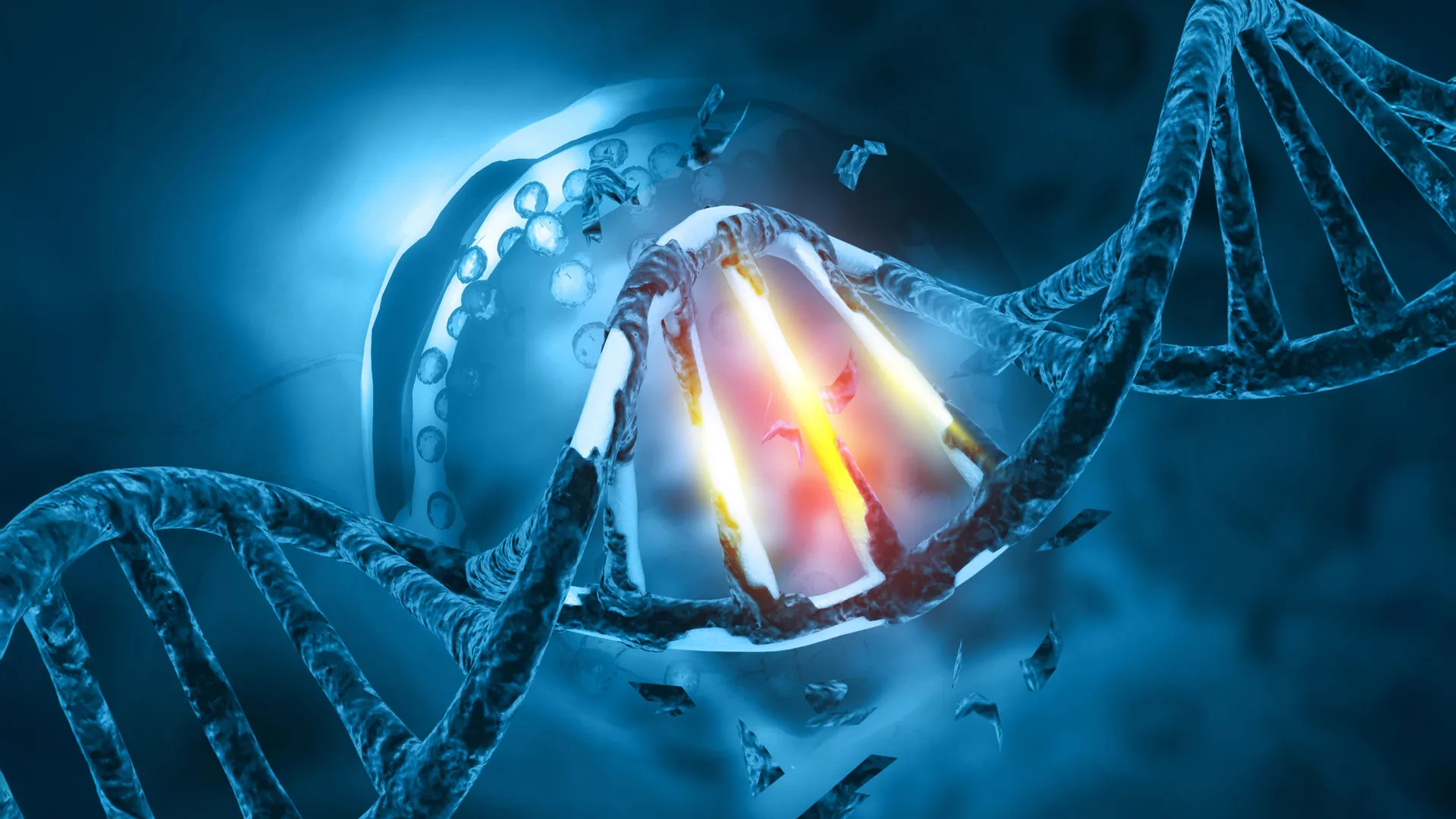
A recent mouse study offers direct evidence that an individual's inherited genetics play a crucial role in determining how cancer develops and progresses following DNA damage. This research highlights that the same DNA damage can lead to cancer in some individuals while not affecting others, suggesting a significant genetic predisposition. The findings could pave the way for more personalized approaches to cancer care. Doctors may eventually be able to predict a patient's cancer risk with greater accuracy. Furthermore, this could allow for the tailoring of cancer screening protocols and treatment strategies to suit individual genetic profiles. The study's insights into the interplay between genetics and DNA damage are a significant step forward in understanding cancer's complex origins.
This research illuminates the differential impact of DNA damage based on inherited genetic factors, suggesting that cancer risk is not solely determined by the occurrence of damage but by the host's genetic landscape. The study's findings could shift the paradigm from a one-size-fits-all approach to cancer risk assessment and treatment towards highly personalized strategies. Understanding these genetic predispositions may enable proactive interventions, optimizing screening schedules and therapeutic choices to mitigate risk and improve outcomes. Future research could explore the specific genetic pathways involved and their interaction with environmental factors to further refine predictive models.
AI-generated to prompt reflection — not editorial opinion, not advice, not a statement of fact. How this works.