Genoa 2001 G8 Summit: A Broken Dream and a Lingering Warning
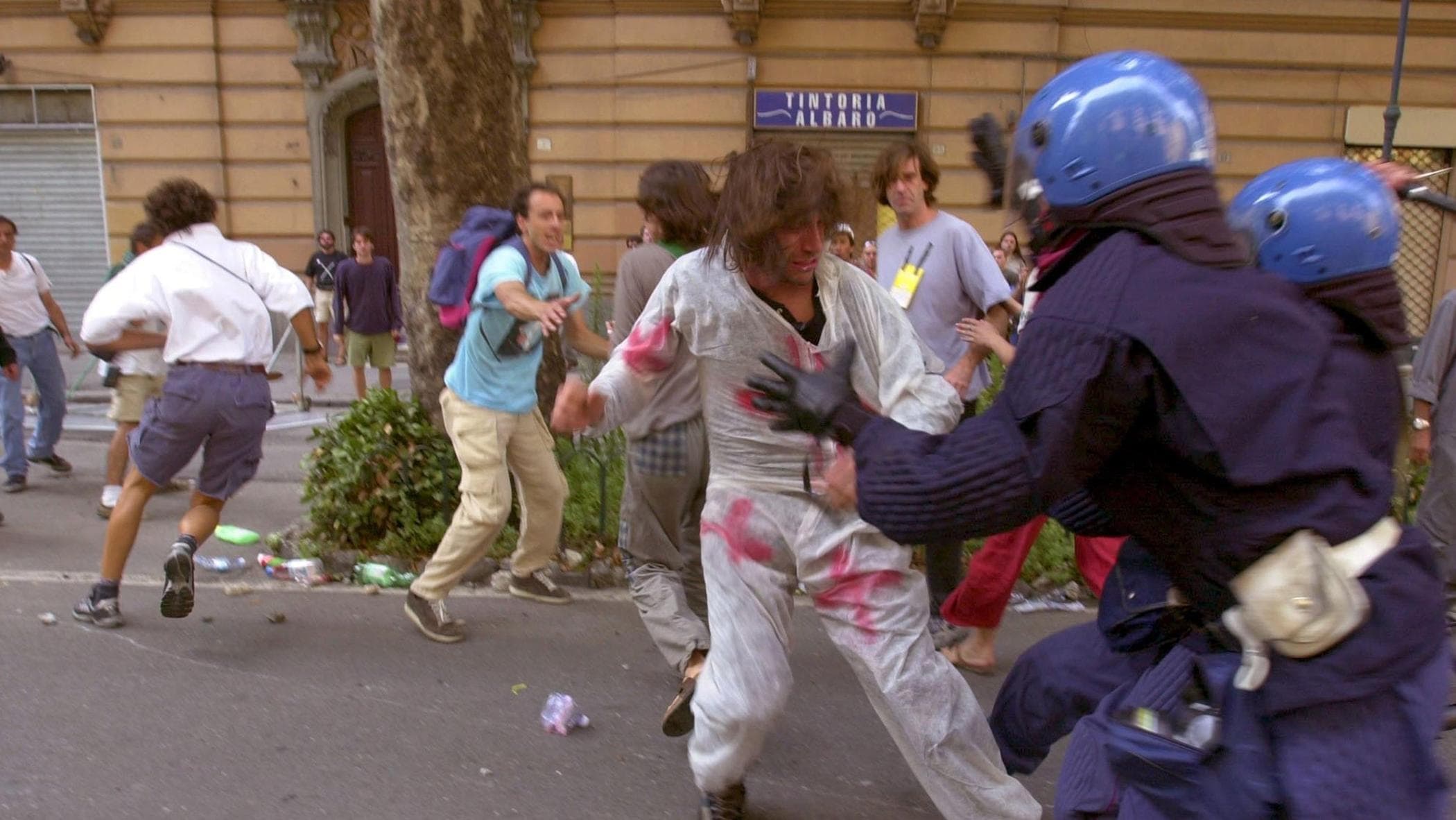
The 2001 G8 summit in Genoa remains a painful memory for a generation that sought greater equity but was met with violent suppression. The events of that summit, which occurred 25 years ago, serve as a stark reminder of darker impulses that continue to resonate in contemporary society. Protesters had gathered with aspirations for a more just world, only to be silenced by force. The legacy of Genoa 2001 is not just about the broken dreams of a specific movement, but also about the enduring struggle against oppressive tendencies that can emerge within present-day contexts. The summit's outcome continues to be a point of reflection on the methods used to quell dissent and the underlying issues that fueled the protests.
The Genoa 2001 G8 summit highlights a recurring tension between global governance forums and civil society's demands for social and economic equity. The forceful response to protesters underscores the challenge of balancing security concerns with the right to peaceful assembly and expression. This event serves as a historical case study on how state responses to dissent can shape public perception and influence future activism. Looking ahead, the G7 and G20 processes, along with other international bodies, will continue to grapple with integrating diverse stakeholder voices and addressing systemic inequalities, particularly in an era increasingly shaped by technological advancements and evolving geopolitical landscapes. The effectiveness of these forums will likely depend on their capacity to foster genuine dialogue and implement inclusive policies, rather than resorting to methods that alienate or suppress legitimate grievances.
AI-generated to prompt reflection — not editorial opinion, not advice, not a statement of fact. How this works.