Genoa Bridge Collapse Trial: Former Autostrade CEO Sentenced to 12 Years
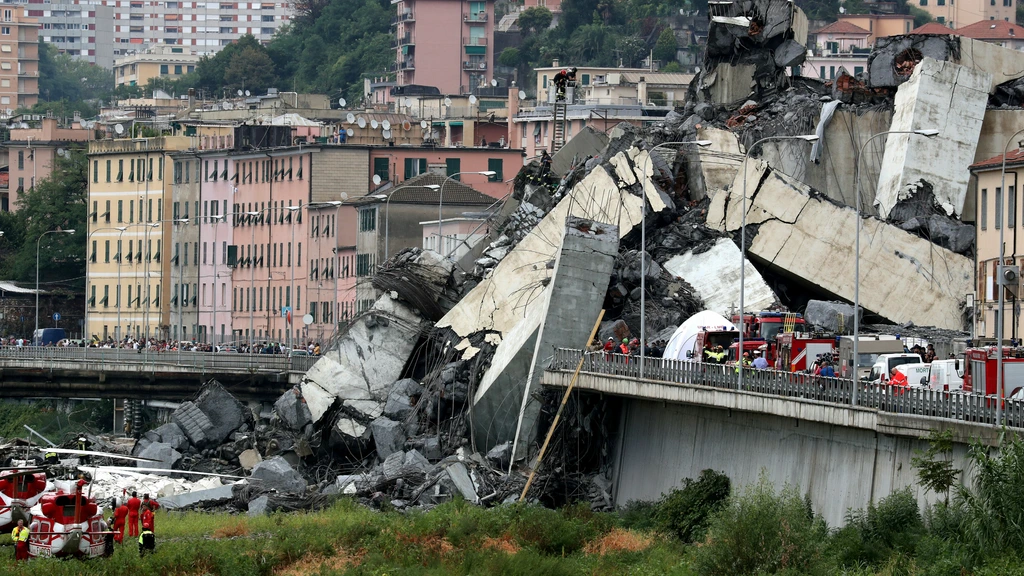
Eight years after the Morandi Bridge collapse in Genoa, a court has begun issuing verdicts against dozens of defendants. The former CEO of the bridge's operator, Autostrade per l'Italia, Giovanni Castellucci, was sentenced to 12 years in prison. This sentence is significantly less than the 18 years and six months sought by the prosecution. Castellucci is already serving time for a separate fatal bus accident in 2013. Mauro Coletta, who led the infrastructure ministry's oversight department, received a five-year sentence. Both were held responsible for the poor condition of the bridge, which collapsed on August 14, 2018, during heavy rain, killing 43 people and injuring 16. The collapse sent vehicles plummeting 45 meters onto a residential area. The four-year trial involved 57 defendants, with prosecutors seeking nearly 400 years of combined imprisonment. Experts concluded in 2020 that design flaws, inadequate maintenance, and insufficient checks caused the collapse, with the court holding Autostrade employees accountable. The company had neglected the aging bridge, with critical sensors failing since 2015 and known issues with two pillars. Defendants faced charges including multiple counts of negligent homicide, forgery, and safety negligence. The new CEO of Autostrade, Arrigo Giana, issued a public apology to victims' families, acknowledging past failures and stating the company has since undergone significant changes, including increased state control and new management.
The Genoa bridge collapse verdict highlights systemic issues in infrastructure management and corporate accountability. The lengthy trial and sentencing underscore the profound consequences of deferred maintenance and inadequate oversight, particularly concerning critical public assets. While the court has assigned responsibility, the case also raises broader questions about regulatory frameworks and the incentives driving infrastructure investment and upkeep. The new Autostrade CEO's apology and commitment to change signal a potential shift, yet the long-term effectiveness of these reforms will depend on sustained transparency and a cultural reorientation towards prioritizing safety and maintenance over short-term financial gains. This event serves as a stark reminder of the societal imperative to invest proactively in aging infrastructure, especially in an era where technological advancements and climate change present evolving risks.
AI-generated to prompt reflection — not editorial opinion, not advice, not a statement of fact. How this works.