Geopolitical Risk Returns, Signaling Prolonged High Oil Prices
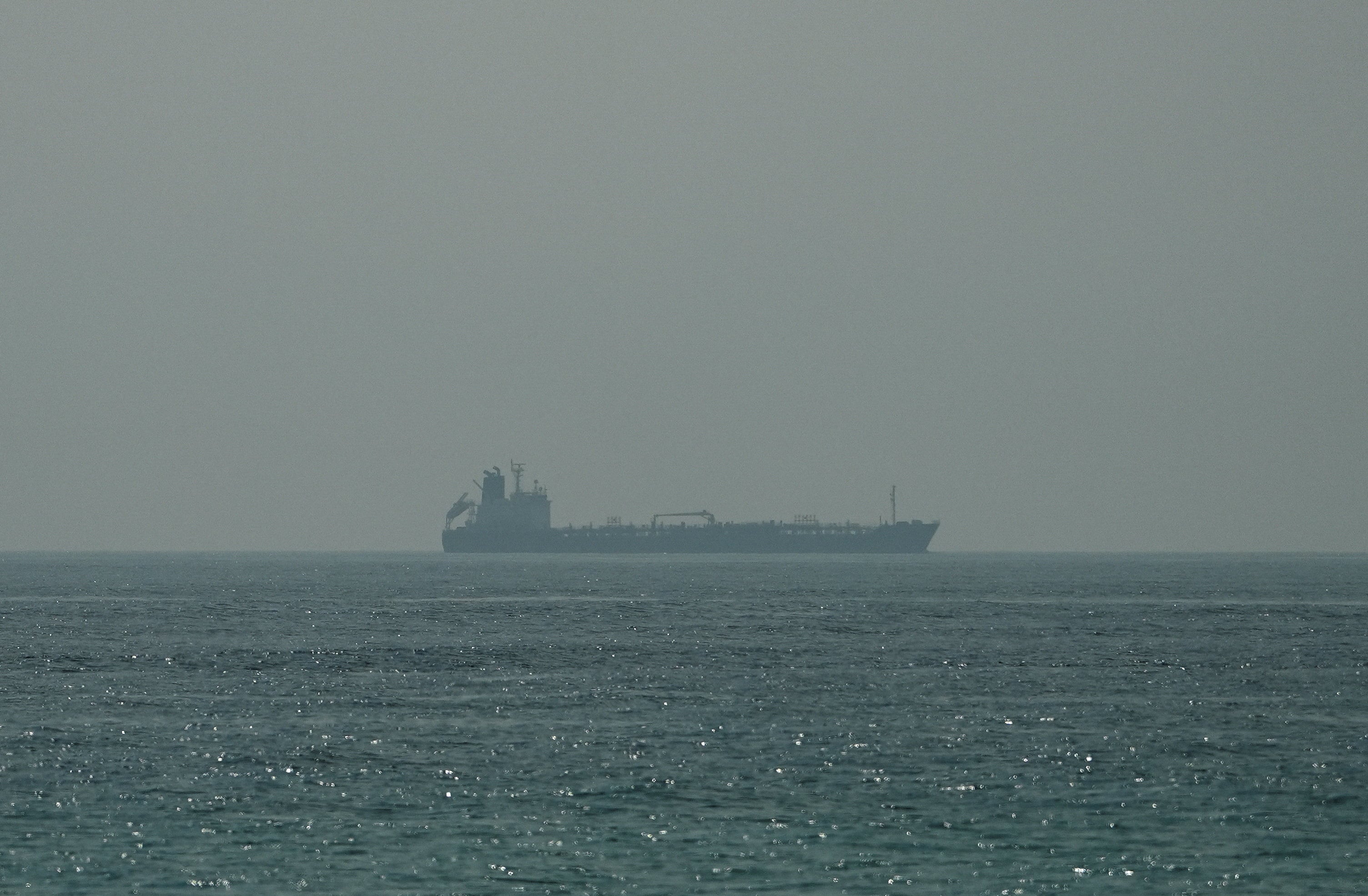
Analysts are warning that the current crisis is casting doubt on safe passage through the Strait of Hormuz. This comes at a time when energy producers and shipping companies were attempting to normalize energy flows. The situation suggests a return of geopolitical risk, reinforcing the scenario of persistently expensive oil for an extended period. The disruption in a critical shipping lane could significantly impact global energy markets. Producers and shippers were reportedly working towards restoring stability in energy transport. However, the escalating tensions have jeopardized these efforts. The potential for further supply disruptions is a major concern for the global economy. The geopolitical landscape's instability is now a primary driver for oil price forecasts. This marks a significant shift from previous expectations of easing energy costs. The implications for inflation and economic growth worldwide are substantial.
The resurgence of geopolitical risk in critical maritime chokepoints like the Strait of Hormuz introduces significant volatility into global energy markets. This dynamic challenges the efficacy of market normalization efforts and underscores the persistent influence of non-economic factors on commodity prices. The potential for prolonged high oil prices, driven by these geopolitical tensions, necessitates a strategic re-evaluation of energy security and supply chain resilience. Future market stability will likely depend on diplomatic de-escalation and the development of diversified energy infrastructure, mitigating reliance on single, vulnerable transit routes. This situation highlights the ongoing tension between globalized energy trade and the fragmented realities of international security.
AI-generated to prompt reflection — not editorial opinion, not advice, not a statement of fact. How this works.