Geopolitical Tensions May Drive Hydrogen Fuel Cost Competitiveness, Says Minister
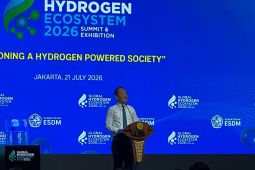
Algeria's Minister of Energy and Mines, Mohamed Arkab, stated that escalating geopolitical tensions and constrained global oil supplies could soon render hydrogen fuel economically viable compared to traditional energy sources. He highlighted that this shift is driven by the increasing demand for clean energy and the need to diversify energy supplies. The minister emphasized Algeria's commitment to developing its hydrogen sector, leveraging its existing energy infrastructure and potential for renewable energy generation. He also noted the importance of international partnerships and technological advancements in accelerating the transition to hydrogen. Arkab further elaborated on the potential for green hydrogen production, utilizing solar and wind power, which aligns with global decarbonization goals. The development of hydrogen infrastructure, including production, storage, and transportation, is a key focus for Algeria's energy strategy. The minister expressed optimism about hydrogen's role in ensuring energy security and achieving climate objectives. He believes that by 2025, hydrogen could become a significant component of the global energy mix.
The assertion that geopolitical instability and restricted oil supplies could accelerate hydrogen's cost-competitiveness suggests a potential market dynamic where supply chain vulnerabilities in fossil fuels elevate the perceived value and strategic importance of alternative energy sources. This perspective frames hydrogen not solely as an environmental solution but as a component of energy security strategy. The implied economic shift could incentivize further investment and innovation in hydrogen production and infrastructure, potentially reshaping the energy landscape over the next decade. However, the actualization of this competitiveness will depend on sustained geopolitical pressures, the pace of technological advancement in hydrogen production and storage, and the development of supportive regulatory frameworks that can overcome the current cost disadvantages and infrastructure hurdles.
AI-generated to prompt reflection — not editorial opinion, not advice, not a statement of fact. How this works.