Geopolitical Uncertainty Reshapes Middle East Business Landscape
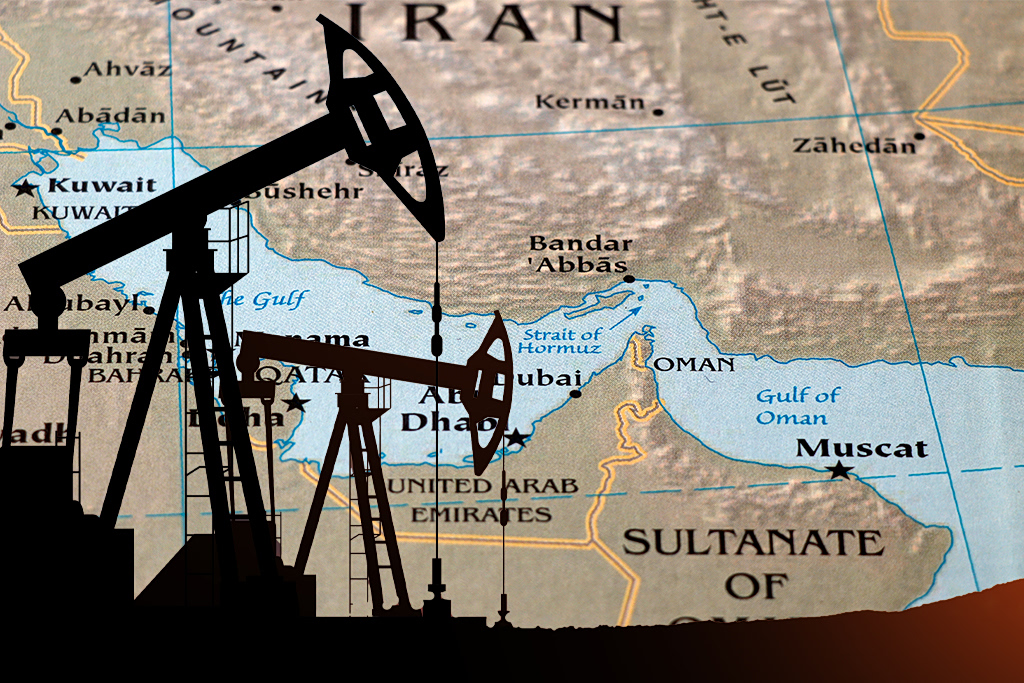
A recent Economist Round Table discussion focused on the evolving geopolitical landscape affecting the Middle East, with particular attention to the Eastern Mediterranean. The talks explored the complex relationships between the United States, Europe, and Middle Eastern nations, highlighting the critical need for stability in the region. A key theme was the significance of strategic European agreements and their role in shaping regional dynamics. The discussions underscored how current geopolitical uncertainties are actively reconfiguring the business environment and investment flows across the Middle East. Participants examined the implications of these shifts for economic development and international cooperation in the area. The event aimed to foster a deeper understanding of the interconnectedness of political stability and economic prosperity in this vital geopolitical theater.
The convergence of geopolitical uncertainty and economic strategy in the Middle East presents a complex challenge. As global powers recalibrate their alliances and interests, the region's business environment faces significant volatility. This dynamic necessitates a strategic re-evaluation of investment and trade, potentially favoring more resilient and diversified economic models. Over the next decade, the interplay between energy security, technological advancement, and regional stability will likely dictate the success of long-term economic planning and international partnerships in the Middle East. Navigating these shifts requires a nuanced understanding of evolving power structures and a proactive approach to risk management.
AI-generated to prompt reflection — not editorial opinion, not advice, not a statement of fact. How this works.