George Bernard Shaw's 1933 Shanghai Visit Influenced Chinese Intellectuals
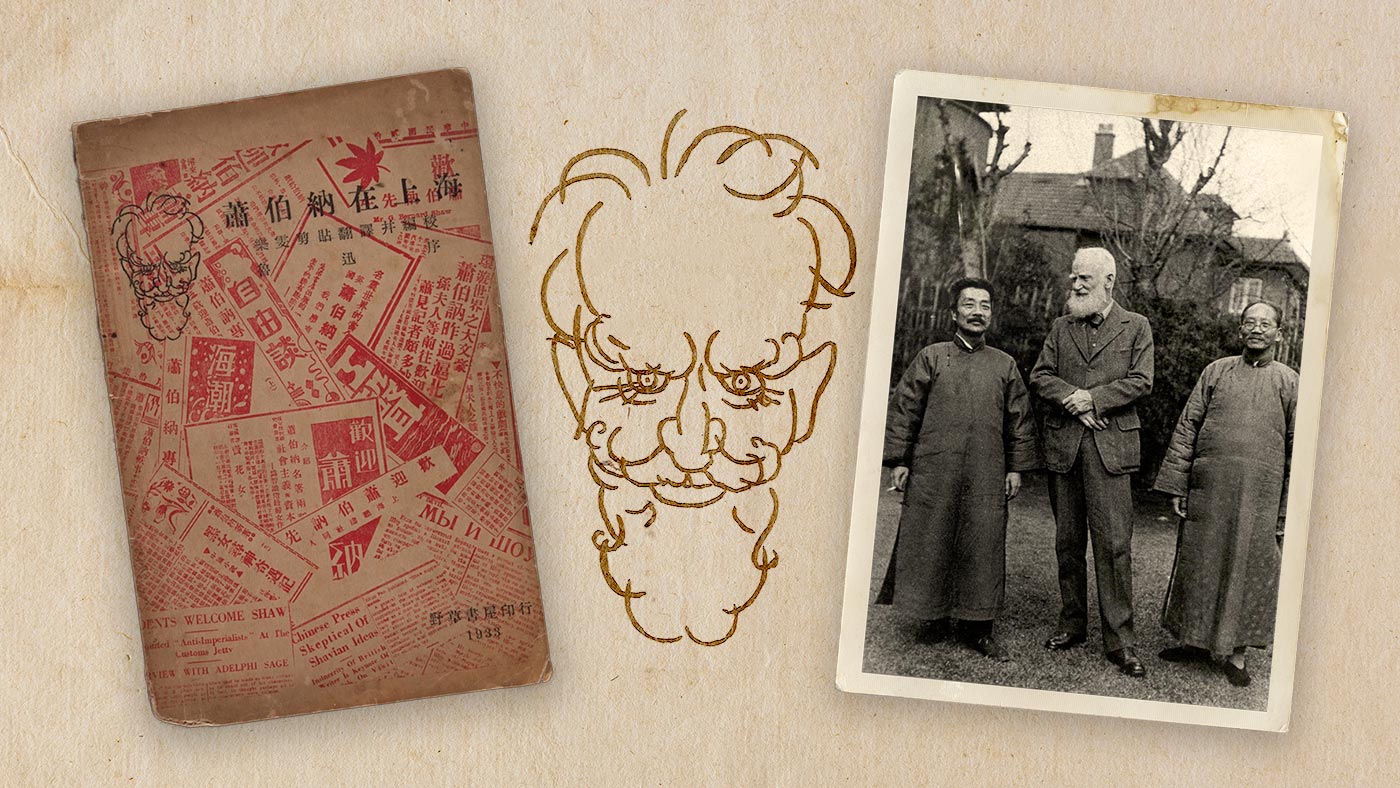
The 1933 visit of Irish writer George Bernard Shaw to Shanghai left a significant mark on the city's left-wing intellectuals. Following his brief wartime visit, Chinese left-wing thinkers lauded Shaw, a prominent playwright and polemicist, as a "loyal friend of the oppressed." This designation highlights the resonance of Shaw's progressive views and his perceived solidarity with marginalized groups among China's intellectual circles during that era. The reception underscores the cultural exchange and ideological alignment that occurred between international figures and Chinese literati, particularly those with left-leaning sentiments.
George Bernard Shaw's 1933 visit to Shanghai and his subsequent positive reception by Chinese left-wing intellectuals illustrate the power of international cultural exchange in shaping domestic discourse. The embrace of Shaw as a "loyal friend of the oppressed" by Chinese literati suggests a shared ideological landscape, where progressive Western thought found fertile ground among those seeking social and political change. This event highlights how prominent figures can become symbolic catalysts for intellectual movements, influencing perceptions and potentially galvanizing support for specific political or social agendas. The long-term impact of such endorsements on the trajectory of Chinese intellectual thought and its engagement with global ideologies warrants consideration, particularly in understanding the historical development of political and social movements in China.
AI-generated to prompt reflection — not editorial opinion, not advice, not a statement of fact. How this works.