George E. Johnson, Pioneer of Black Cosmetics and Soul Train Supporter, Dies at 99
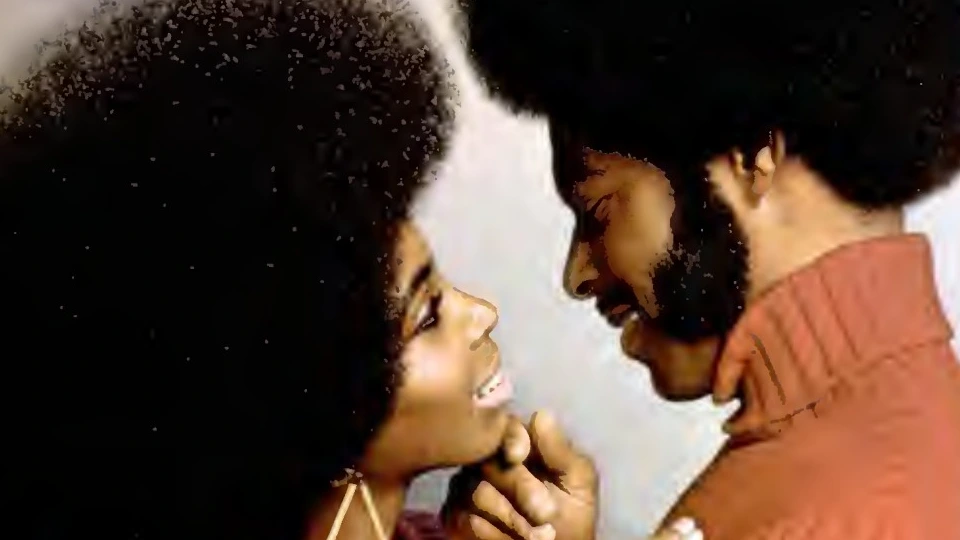
George E. Johnson, an American businessman and pioneer in cosmetics for Black consumers, has passed away at the age of 99. Johnson also played a significant role in the national marketing of the influential music program Soul Train. Born in Mississippi in 1927, his family relocated to Chicago as part of the Great Migration. He discovered a lucrative market in hair straightening products for Black Americans seeking to conform to white beauty standards. Johnson developed his own product, Ultra Sheen, after securing initial funding from friends and a deceptive bank loan. The product became a staple in many Black households, marking the beginning of his business empire. Johnson was committed to giving back to the Black community, implementing profit-sharing for employees, continuing pay during holidays, and establishing scholarships and school breakfast programs. He adapted his business strategies as trends evolved, shifting to afro-centric products in the 1960s and promoting the "black is beautiful" message with Swahili slogans. His company, Johnson Products, achieved a significant market share and became the first Black-owned business listed on the New York Stock Exchange in 1971. In the same year, Johnson's sponsorship was instrumental in launching Soul Train into national syndication. This program provided a vital platform for artists like The Jackson 5 and Marvin Gaye, who struggled for visibility on mainstream television. Soul Train evolved into a cultural phenomenon, influencing music, dance, and fashion, and aired until 2006. Johnson's family noted that he never forgot his humble origins as a sharecropper's son, which shaped his values of humility, dedication, personal responsibility, and the Golden Rule.
George E. Johnson's entrepreneurial journey exemplifies the power of identifying underserved markets and catering to specific community needs, particularly within the Black consumer base. His success with Ultra Sheen and subsequent pivot to afro-cosmetics demonstrate astute market awareness and a commitment to cultural representation, challenging prevailing beauty standards. By supporting Soul Train, Johnson not only amplified Black artists but also contributed to a crucial cultural platform that fostered identity and visibility. His business model, which included profit-sharing and community investment, offers a compelling case study in corporate social responsibility, particularly in contrast to industries that historically extracted value without reciprocal benefit. The narrative highlights systemic barriers faced by Black entrepreneurs and the innovative strategies required to overcome them, while also underscoring the evolving landscape of Black identity and its commercial implications.
AI-generated to prompt reflection — not editorial opinion, not advice, not a statement of fact. How this works.