Georgia's Pro-Russian Shift Stifles Civil Society with New Laws
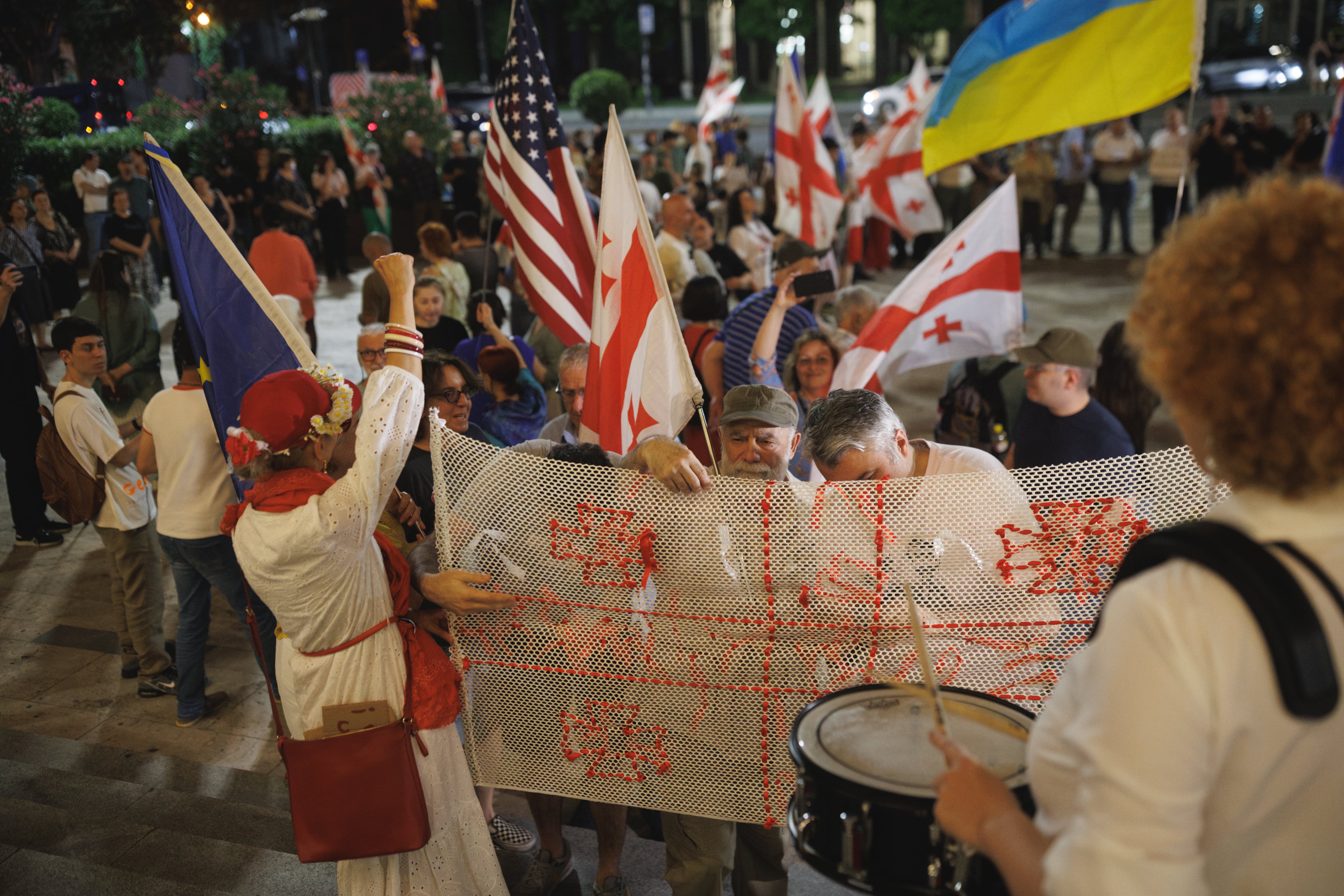
The Georgian government has adopted a package of laws inspired by the Kremlin, which significantly restricts the activities of non-governmental organizations (NGOs) and inhibits citizen mobilization. This legislative move marks a notable shift towards a pro-Russian orientation for the country. The new laws are designed to limit the operational scope and influence of civil society groups. Furthermore, they aim to curb public demonstrations and other forms of citizen engagement. Critics argue that these measures are intended to suppress dissent and consolidate governmental control. The adoption of these laws has raised concerns among international observers and human rights advocates regarding the future of democracy and freedom of expression in Georgia. The government maintains that the legislation is necessary for transparency and accountability within the NGO sector. However, the parallels drawn to Russian legislation suggest a broader geopolitical alignment. The impact on Georgia's relationship with Western partners is also a significant point of discussion.
Georgia's recent legislative actions, mirroring Kremlin-inspired statutes, signal a potential recalibration of its geopolitical alignment and domestic governance. The stated aim of enhancing transparency and accountability for NGOs, while seemingly benign, could function as a mechanism to curtail independent voices and limit public discourse. This approach may stem from an incentive structure prioritizing state control over civil liberties, a pattern observed in countries seeking to consolidate power. Looking ahead, such policies could create friction with international partners who champion democratic norms and may impact Georgia's aspirations for closer integration with Western institutions. The long-term implications for societal resilience and innovation will depend on whether these laws foster genuine accountability or primarily serve to suppress civic engagement.
AI-generated to prompt reflection — not editorial opinion, not advice, not a statement of fact. How this works.