Gerard Butler Film Blends High Art and Renaissance Kitsch Before Collapsing
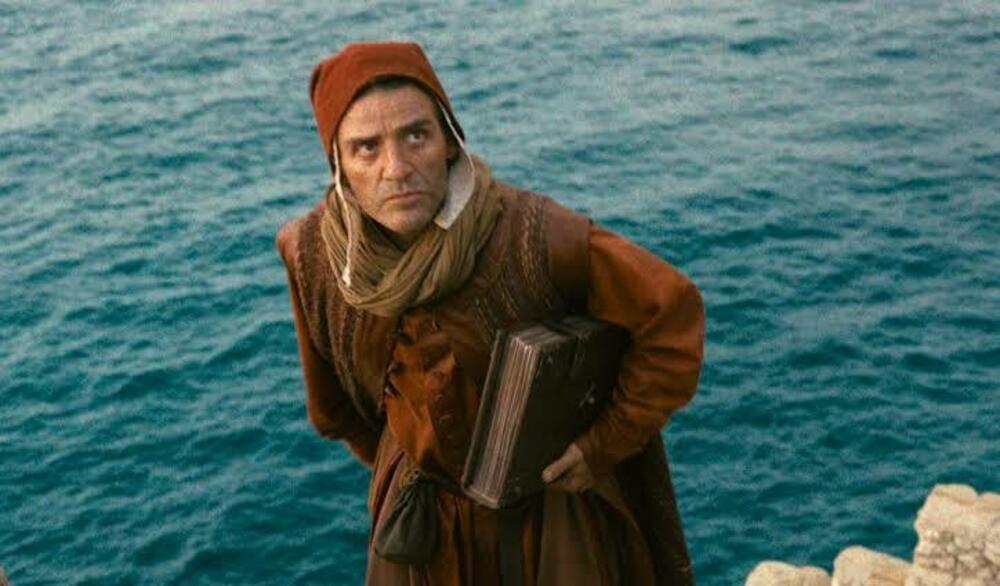
A review of the film "In Dante's Hand" highlights a compelling performance by Gerard Butler, who navigates a narrative that attempts to fuse high art with Renaissance-era kitsch. The movie is described as a high-stakes gamble, set against a backdrop that transitions from gritty street-level realism to a more ethereal, almost heavenly abyss. The film's ambition is to create a unique cinematic experience, blending sophisticated artistic elements with a more populist, perhaps even gaudy, aesthetic.
However, the review suggests that despite its initial promise and Butler's strong portrayal, the film ultimately falters under its own philosophical weight. The narrative struggles to maintain its complex thematic structure, eventually succumbing to what is characterized as sentimental fantasy. This descent marks a critical weakness, preventing the film from fully realizing its artistic potential and leaving the audience with a sense of unfulfilled promise.
The film's narrative arc, moving from ambitious artistic fusion to sentimental fantasy, suggests a common challenge in cinematic storytelling: balancing intellectual depth with emotional resonance. The critique points to a potential disconnect between the filmmakers' conceptual goals and their execution, possibly due to an overestimation of the audience's capacity to follow intricate philosophical themes or a misjudgment in the integration of disparate aesthetic styles. This dynamic highlights the ongoing tension between artistic innovation and commercial viability, where films aiming for profound statements risk alienating viewers if the underlying structure becomes overly complex or emotionally unconvincing. The review implies that the film's downfall lies not in its ambition, but in its inability to sustain a coherent vision, a cautionary tale for future productions navigating similar thematic territory.
AI-generated to prompt reflection — not editorial opinion, not advice, not a statement of fact. How this works.