German Agriculture 2026: A Dual Harvest - Good Yields, Low Prices
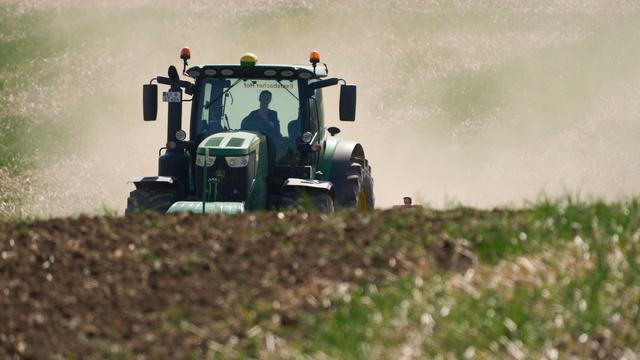
The 2026 agricultural season in Germany presented a mixed picture, characterized by strong crop yields alongside significantly low market prices. Farmers experienced favorable growing conditions throughout the year, leading to abundant harvests across various agricultural sectors. Despite the high volume of produce, the economic returns for farmers were dampened by a persistent decline in prices for their goods. This situation creates a challenging economic environment for the agricultural sector, where increased production does not translate into proportional financial gains. The "two-faced" nature of the harvest highlights a critical imbalance between supply and demand, or potentially other market pressures affecting price stability. Further analysis is needed to understand the specific factors contributing to this price depression and its long-term implications for German agriculture.
The 2026 German agricultural season, marked by high yields and low prices, reflects a common tension in commodity markets where abundant supply can depress unit value. This scenario may indicate shifts in consumer demand, increased global competition, or challenges in market distribution and price negotiation power for farmers. Over the next decade, as AI and automation potentially boost agricultural productivity further, managing price volatility and ensuring fair farmer compensation will become increasingly critical. Policy frameworks may need to evolve to support farmer income stability, decoupling it from short-term market price fluctuations, and fostering resilient supply chains that can better absorb or mitigate such imbalances.
AI-generated to prompt reflection — not editorial opinion, not advice, not a statement of fact. How this works.