German Agriculture Minister Presents "Heimat-Agenda" Initiative
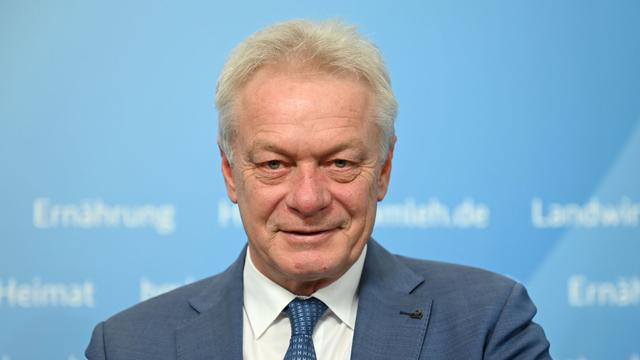
German Federal Minister for Food and Agriculture, Cem Özdemir, has introduced the "Heimat-Agenda" (Homeland Agenda) initiative. This program aims to strengthen rural areas and promote regional identity. The agenda focuses on various aspects of life in the countryside, including economic development, cultural preservation, and social cohesion. It seeks to make rural regions more attractive for living, working, and tourism. Specific measures are expected to be detailed in the coming weeks, but the overarching goal is to foster a sense of belonging and pride in local communities. The initiative underscores the government's commitment to addressing the challenges faced by rural populations and ensuring their continued vitality. It is seen as a strategic effort to balance development across all parts of Germany, preventing further rural depopulation and supporting local economies. The "Heimat-Agenda" is intended to be a long-term strategy with measurable outcomes.
The "Heimat-Agenda" initiative by Germany's Agriculture Minister reflects a growing recognition of the disparities between urban and rural development. By focusing on regional identity and rural revitalization, the government aims to address potential social and economic imbalances. This approach may foster local economic growth and cultural preservation, but its success will depend on effective implementation and resource allocation. The long-term impact will be shaped by how well the agenda integrates with existing regional development strategies and adapts to demographic shifts and technological advancements in the coming decade. It presents a policy choice between centralized development and localized empowerment, with potential trade-offs in efficiency and equity.
AI-generated to prompt reflection — not editorial opinion, not advice, not a statement of fact. How this works.