German and French Air Forces Conduct First Joint Nuclear Deterrence Exercise
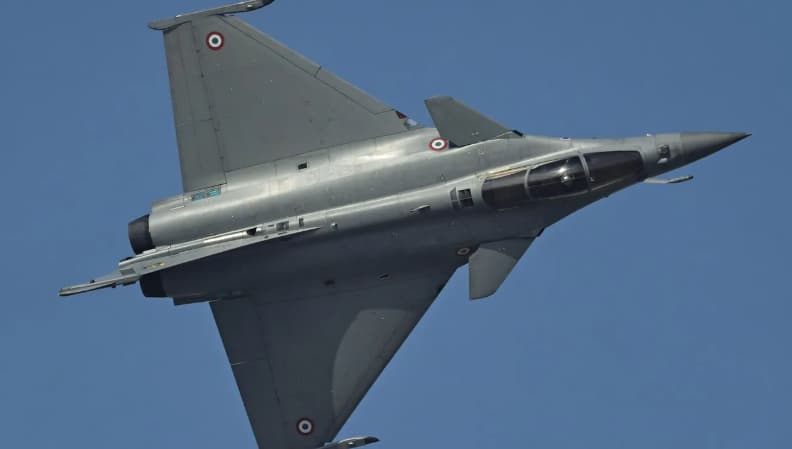
The German Air Force (Luftwaffe) and the French Air and Space Force (Armée de l'Air et de l'Espace) have conducted their first-ever joint exercise focused on nuclear deterrence. This significant military maneuver involved the participation of German Tornado fighter jets and French Rafale fighter jets. The exercise aimed to demonstrate and enhance the capabilities of both nations in the context of nuclear deterrence strategies. This collaborative effort underscores the deepening defense ties between Germany and France. It also highlights a coordinated approach to maintaining strategic stability in the current geopolitical climate. The training scenario likely involved complex operational procedures and communication protocols essential for nuclear deterrence missions. Such joint exercises are crucial for interoperability and readiness, especially within the framework of NATO's broader deterrence posture. The successful completion of this exercise marks a new milestone in the defense cooperation between the two European powers.
The joint nuclear deterrence exercise between the German and French air forces signifies a strategic alignment in response to evolving security dynamics. This collaboration reflects a shared commitment to maintaining a credible nuclear deterrent, potentially influenced by shifts in the global security landscape and the perceived need for enhanced strategic signaling. By integrating their capabilities, both nations aim to bolster interoperability and demonstrate a unified front, which could influence regional stability calculations. The exercise also highlights the increasing importance of burden-sharing and coordinated defense planning among key European powers, particularly in areas requiring advanced technological and strategic coordination. This initiative could set a precedent for future joint operations, emphasizing collective security and deterrence in an era of complex geopolitical challenges.
AI-generated to prompt reflection — not editorial opinion, not advice, not a statement of fact. How this works.