German Animal Shelters Overwhelmed by Cats and Dogs Needing Special Care
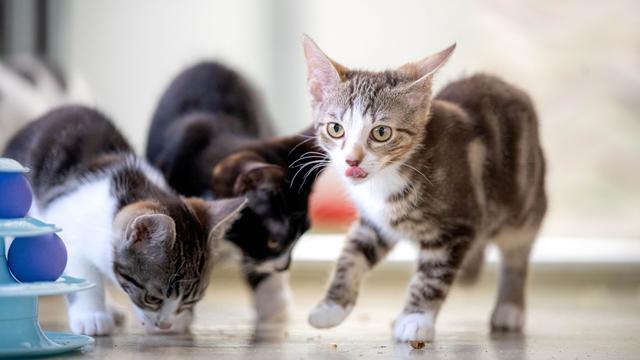
Animal shelters across Germany are facing significant challenges due to an increasing number of cats and dogs requiring specialized attention. These facilities are struggling to cope with the sheer volume of animals, many of whom exhibit behavioral issues or require extensive veterinary care. The situation is putting a strain on resources, including staff time, space, and financial capacity.
Shelter operators report that the influx of animals, particularly those with complex needs, is making it difficult to provide adequate care and find suitable adoptive homes. The need for specialized training for staff and volunteers to handle these challenging cases is also becoming more apparent. This ongoing crisis highlights the growing demand for animal welfare services and the urgent need for greater public awareness and support.
The strain on German animal shelters reflects broader societal trends impacting pet ownership and animal welfare. An increase in animals requiring specialized care suggests potential issues related to responsible pet ownership, such as insufficient training, lack of early socialization, or owners being unprepared for the long-term commitment and costs associated with certain breeds or conditions. This situation underscores the importance of robust animal welfare legislation, accessible veterinary care, and community-based education programs. Future-oriented solutions might involve incentivizing sterilization, promoting breed-specific adoption programs, and developing partnerships between shelters and professional animal behaviorists to improve rehabilitation and rehoming success rates, thereby mitigating the burden on these vital institutions.
AI-generated to prompt reflection — not editorial opinion, not advice, not a statement of fact. How this works.