German Anti-Torture Commission Reports Violations in Police Stations and Prisons
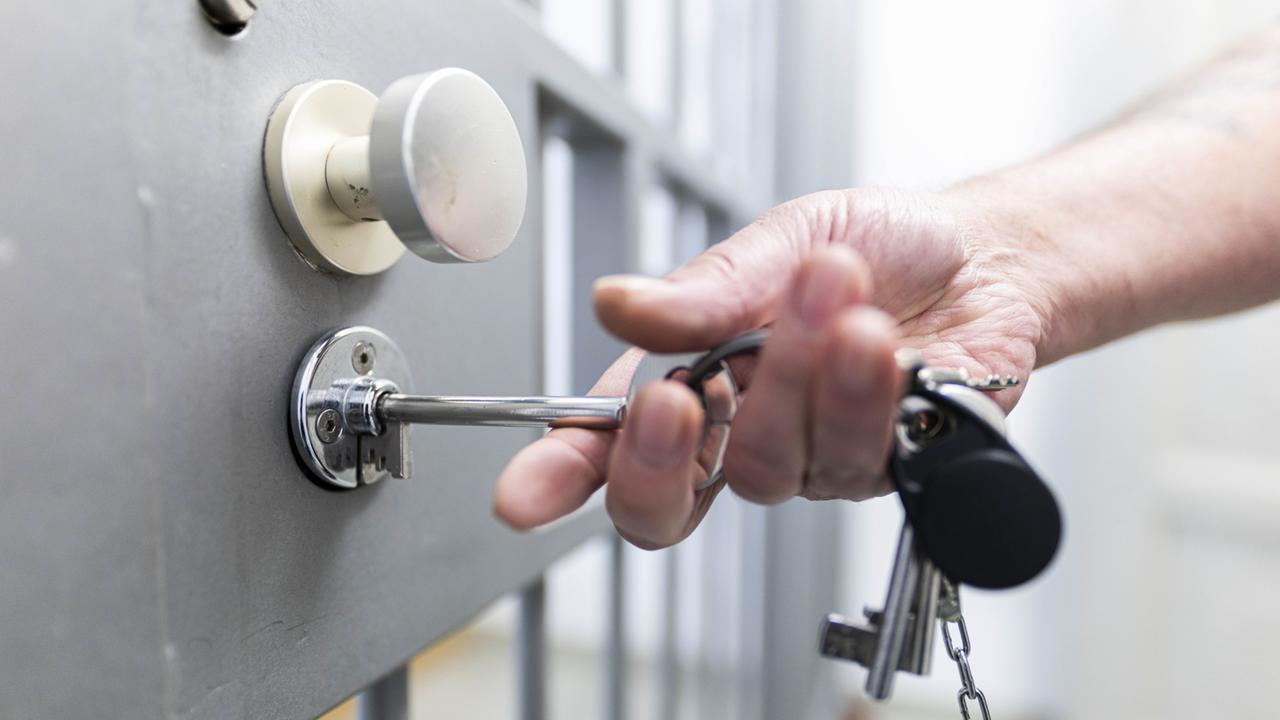
Germany's National Prevention Mechanism (NPM) has detailed significant shortcomings in detention and custody facilities in its 2025 annual report. The commission highlighted issues such as prolonged solitary confinement, extended periods of physical restraint, and irregularities surrounding deaths within these institutions. These findings point to systemic problems that require urgent attention from authorities. The report, compiled by the NPM, aims to prevent torture and ill-treatment by regularly monitoring places where people are deprived of their liberty. The identified deficiencies suggest a need for improved oversight and adherence to human rights standards across various police commissariats and correctional facilities nationwide. The commission's work is crucial for ensuring that individuals in state custody are treated humanely and that their fundamental rights are protected. The report underscores the ongoing challenges in maintaining adequate conditions and preventing abuse within the German penal system. Further investigation and corrective actions are expected to address the critical issues raised.
The NPM's 2025 report surfaces critical governance gaps within German detention facilities, including prolonged isolation and restraint, alongside concerning patterns in in-custody deaths. These findings necessitate a review of operational protocols and oversight mechanisms to ensure compliance with national and international human rights standards. The systemic nature of these reported violations suggests that isolated incidents may be indicative of broader institutional challenges. Addressing these issues proactively is essential for maintaining public trust in the justice system and upholding the principle of humane treatment for all individuals deprived of their liberty. Future policy considerations should focus on strengthening independent monitoring, enhancing staff training on de-escalation and rights-based approaches, and ensuring transparent reporting and accountability for any breaches.
AI-generated to prompt reflection — not editorial opinion, not advice, not a statement of fact. How this works.