German Broadcaster ZDF Cancels Musicians Over Anti-Fascist Song
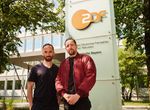
German public broadcaster ZDF has canceled the appearance of musicians Danger Dan and Igor Levit for an upcoming broadcast. The decision was made due to their anti-fascist song titled "Keine Angst" (No Fear). Both artists have criticized ZDF's action, viewing it as an infringement upon freedom of speech and artistic expression. The song "Keine Angst" reportedly contains lyrics that led to the musicians' exclusion from the program. This incident raises questions about the boundaries of artistic freedom and editorial decisions within public broadcasting. The musicians expressed their disappointment and concern over the ZDF's move. The specific content of the lyrics that prompted the cancellation has not been detailed, but the anti-fascist nature of the song is cited as the reason. This situation highlights a potential tension between political expression in art and the programming policies of media institutions.
The decision by ZDF to de-platform artists Danger Dan and Igor Levit based on their anti-fascist song "Keine Angst" presents a complex case study in the intersection of public broadcasting, artistic expression, and political messaging. While broadcasters have editorial discretion, actions perceived as censorship, particularly concerning anti-fascist themes, can invite scrutiny regarding adherence to principles of free speech and artistic autonomy. This event prompts consideration of how public media navigates potentially contentious political content and the implications for its role as a platform for diverse viewpoints. Future-looking, the increasing polarization of public discourse may challenge media organizations to develop clearer frameworks for managing artistic expression that engages with sensitive socio-political issues, balancing institutional guidelines with the imperative to foster open dialogue.
AI-generated to prompt reflection — not editorial opinion, not advice, not a statement of fact. How this works.