German Budget: Klingbeil Plans Increased Spending and Debt for 2027
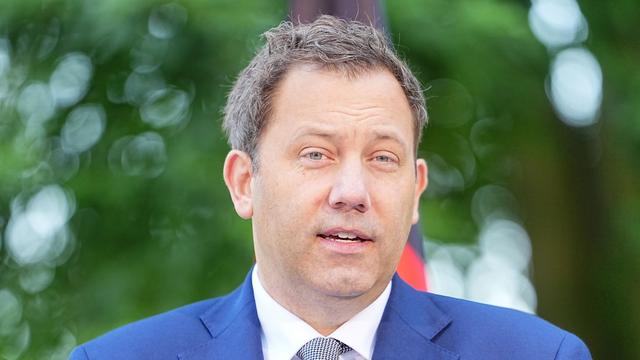
Lars Klingbeil, the leader of Germany's Social Democratic Party (SPD), is reportedly planning for higher government spending and increased borrowing in the 2027 federal budget. This proposal comes as the SPD seeks to address various societal needs and investments. The specific details of the proposed spending increases and the projected debt levels have not yet been fully disclosed, but the intention signals a potential shift in fiscal policy priorities. The SPD's plan suggests a focus on areas that may require significant public funding, possibly including social programs, infrastructure, or climate initiatives. The party's approach indicates a willingness to utilize debt financing to achieve its policy objectives. This contrasts with more fiscally conservative approaches that prioritize balanced budgets and debt reduction. The timing of these plans, looking ahead to 2027, suggests a strategic positioning for future government planning and potential electoral considerations. Further discussions and negotiations within the governing coalition are expected as these proposals are developed.
The reported plans by SPD leader Lars Klingbeil to increase government spending and debt in the 2027 German budget reflect a common tension between immediate policy goals and long-term fiscal sustainability. This approach may be driven by the perceived need to fund social programs or invest in future-oriented sectors, potentially aligning with electoral cycles. However, reliance on increased debt necessitates careful consideration of future interest rate environments and the overall burden on taxpayers. The effectiveness of such a strategy will depend on the specific allocation of funds and the projected economic growth to service the debt. Future governments will face the challenge of balancing these spending commitments with fiscal prudence, particularly in light of evolving economic conditions and potential external shocks.
AI-generated to prompt reflection — not editorial opinion, not advice, not a statement of fact. How this works.