German Bundestag Postpones MP Salary Increase Amid Economic Concerns
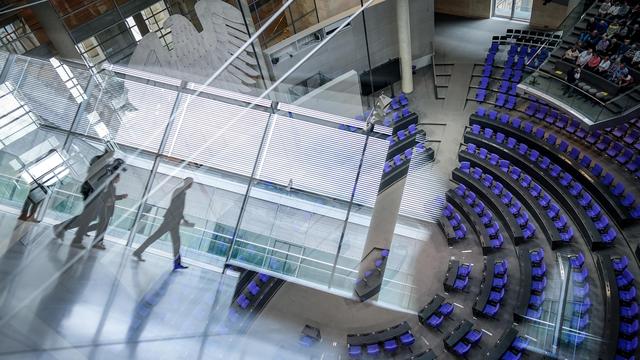
Members of the German Bundestag have decided to forgo a monthly salary increase of 500 euros for the current year. This decision was unanimously supported by all parliamentary factions within the Bundestag. The primary reason cited for this postponement is the prevailing poor economic situation in Germany. The lawmakers' decision reflects an acknowledgment of the challenging economic climate and a desire to show solidarity with the broader public during these times. The specific amount of the deferred increase, 500 euros per month per member, highlights the collective financial consideration being made. This move comes as a response to the current economic headwinds affecting the country.
The Bundestag's decision to suspend a planned salary increase for its members, citing economic conditions, demonstrates a response to public sentiment and economic realities. This action can be viewed through the lens of legislative accountability and the signaling effect of political bodies during periods of economic hardship. It raises questions about the cyclical nature of parliamentary compensation adjustments and their alignment with broader economic cycles and public perception. The move may influence future compensation discussions by setting a precedent for linking legislative pay to economic performance, potentially fostering a greater sense of shared economic burden.
AI-generated to prompt reflection — not editorial opinion, not advice, not a statement of fact. How this works.