German Businesses Hope for Reforms Amidst Stagnant Economic Recovery, Survey Finds
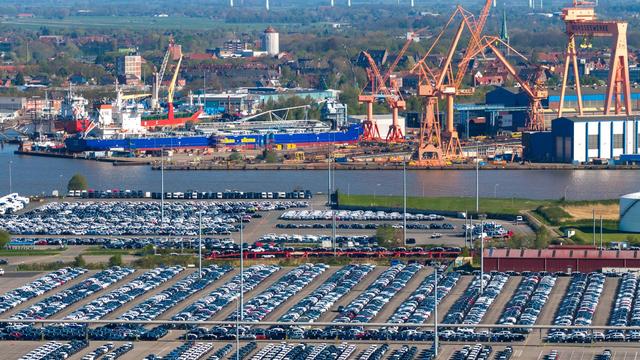
A recent survey by the Chambers of Industry and Commerce (IHK) indicates that German businesses are anticipating reforms to improve the economic climate. Despite this hope, the survey reveals a persistent lack of genuine economic recovery. Companies are expressing a desire for structural changes that could foster growth and stability. The current economic situation is characterized by a general stagnation, with many businesses not yet experiencing a significant upturn. The IHK's findings suggest a disconnect between the anticipation of future improvements and the present reality of the economy. This sentiment highlights a critical juncture for German economic policy, where concrete actions are needed to address the underlying issues. The survey results are based on responses from a significant number of German companies across various sectors. The specific nature of the desired reforms was not detailed in the initial report, but the overall tone suggests a need for proactive measures. The lack of tangible recovery is a cause for concern among business leaders.
The IHK survey reflects a common sentiment among businesses globally: a reliance on external policy interventions for economic revitalization rather than organic market-driven recovery. This reliance on anticipated reforms suggests a potential systemic vulnerability where business confidence is contingent on government action, which can introduce its own delays and uncertainties. The divergence between hope for reforms and the absence of actual recovery points to a possible mismatch between perceived needs and implemented policies, or perhaps a lag time in policy effectiveness. Looking ahead, an over-dependence on such reforms could stifle entrepreneurial agility and innovation, as companies may defer investment and strategic decisions pending policy changes. A more resilient economic ecosystem would typically demonstrate a capacity for adaptation and growth irrespective of immediate reform cycles, driven by intrinsic market dynamics and technological advancements.
AI-generated to prompt reflection — not editorial opinion, not advice, not a statement of fact. How this works.