German CDU Party Rebels Against Merz's Cabinet Reshuffle
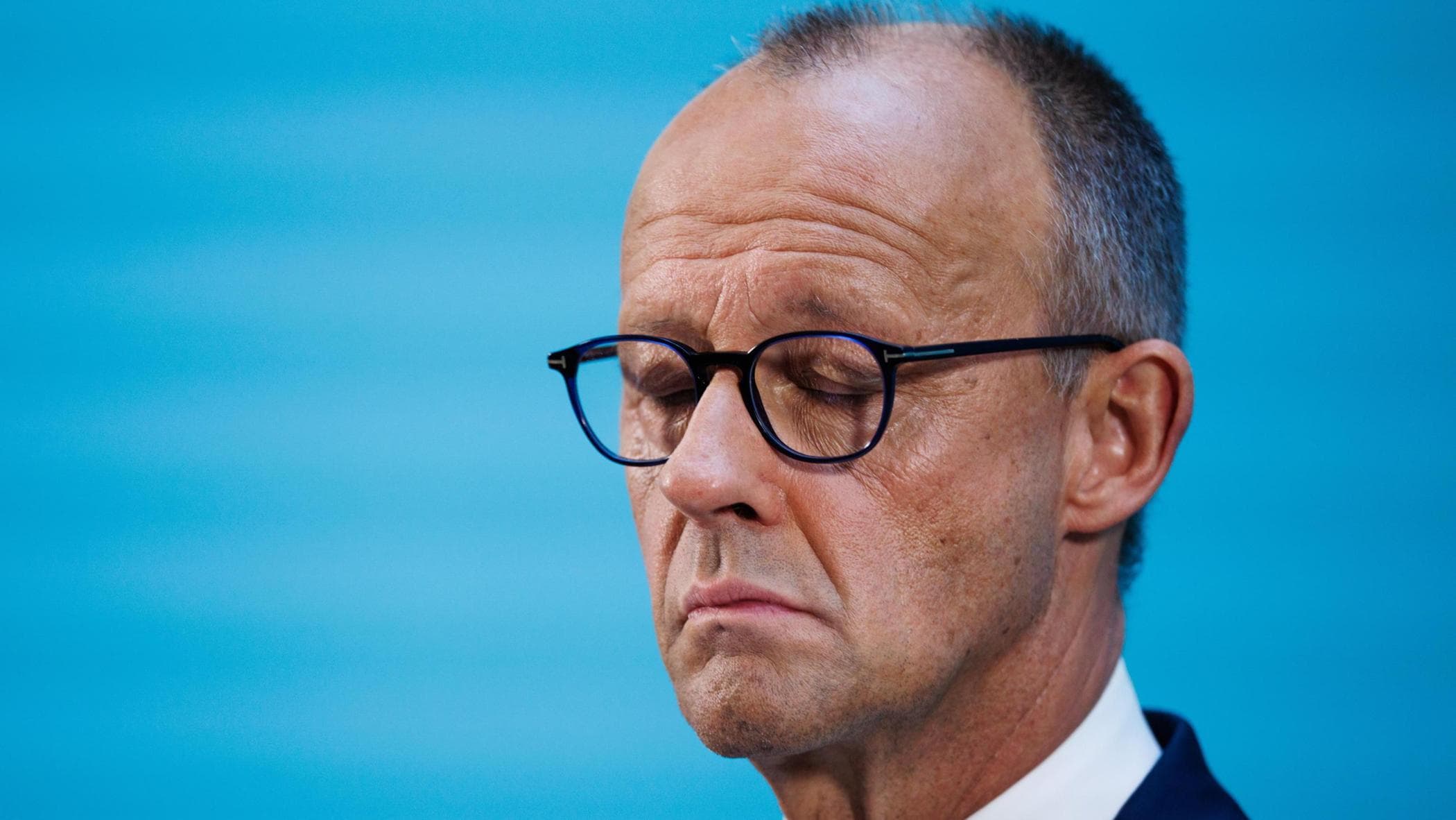
The Christian Democratic Union (CDU) party in Germany is experiencing internal dissent following a cabinet reshuffle initiated by party leader Friedrich Merz. Merz reportedly dismissed the Minister of Transport and several undersecretaries without prior consultation with his party colleagues. This move has not been well-received by members of the CDU, leading to a significant backlash. The lack of consultation has created friction within the party, raising questions about Merz's leadership style and decision-making process. The affected ministers and undersecretaries were removed from their positions unexpectedly. The party members who were not consulted feel sidelined and are expressing their dissatisfaction openly. This internal conflict within the CDU could potentially impact the party's unity and its strategic direction moving forward. The situation highlights a potential disconnect between the party leadership and its rank-and-file members.
The reported internal dissent within Germany's CDU following Friedrich Merz's cabinet reshuffle suggests a potential governance challenge related to stakeholder engagement. When leadership makes significant personnel decisions without consulting key party factions, it can erode trust and create internal friction, potentially impacting the party's cohesion and electoral strategy. This dynamic may reflect broader trends in political organizations grappling with centralized decision-making versus the need for broad consensus in an era of rapid political and social change. The long-term implications could involve shifts in internal power balances and a re-evaluation of leadership accountability mechanisms within the party structure, influencing its ability to present a unified front on future policy initiatives.
AI-generated to prompt reflection — not editorial opinion, not advice, not a statement of fact. How this works.