German Chancellor Friedrich Merz Reshuffles Cabinet Amid Far-Right Election Threat
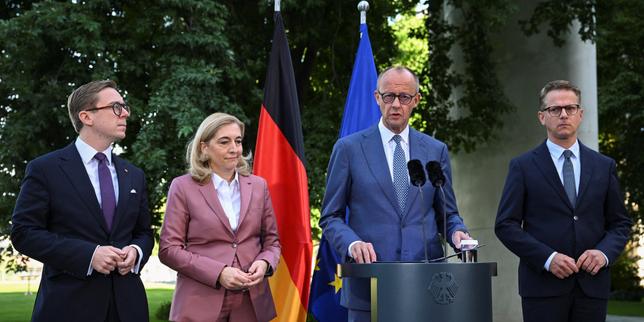
German Chancellor Friedrich Merz has reshuffled his cabinet in response to growing concerns about the far-right Alternative for Germany (AfD) party. This move comes just weeks before crucial regional elections where an unprecedented surge for the AfD is anticipated. The Chancellor aims to reassure the public and political allies about his capacity to implement an ambitious domestic policy agenda. Critics have previously accused Merz of being too focused on international affairs, potentially neglecting domestic issues. The reshuffling is seen as an effort to strengthen his government's domestic standing and counter the increasing political threat posed by the AfD. This decision highlights the significant pressure Merz is under to address both national concerns and the rising influence of the far-right ahead of the upcoming regional votes.
The German Chancellor's cabinet reshuffle signals a strategic pivot towards domestic policy, likely driven by the escalating electoral threat from the AfD. This action reflects a common political dynamic where rising populist movements compel established parties to re-evaluate their priorities and messaging. The Chancellor's challenge lies in balancing international commitments with the perceived need for a robust domestic agenda, a tension often exacerbated in times of economic uncertainty or social change. The effectiveness of this reshuffle will depend on its ability to galvanize public support and demonstrate tangible policy achievements, particularly in addressing voter concerns that may be fueling the AfD's rise. The long-term implications could involve a broader shift in German political discourse and policy focus, influenced by the need to counter far-right narratives and secure electoral viability in the coming years.
AI-generated to prompt reflection — not editorial opinion, not advice, not a statement of fact. How this works.