German Chancellor Merz Rejects EU Budget Proposal, Demands Hundreds of Billions in Cuts
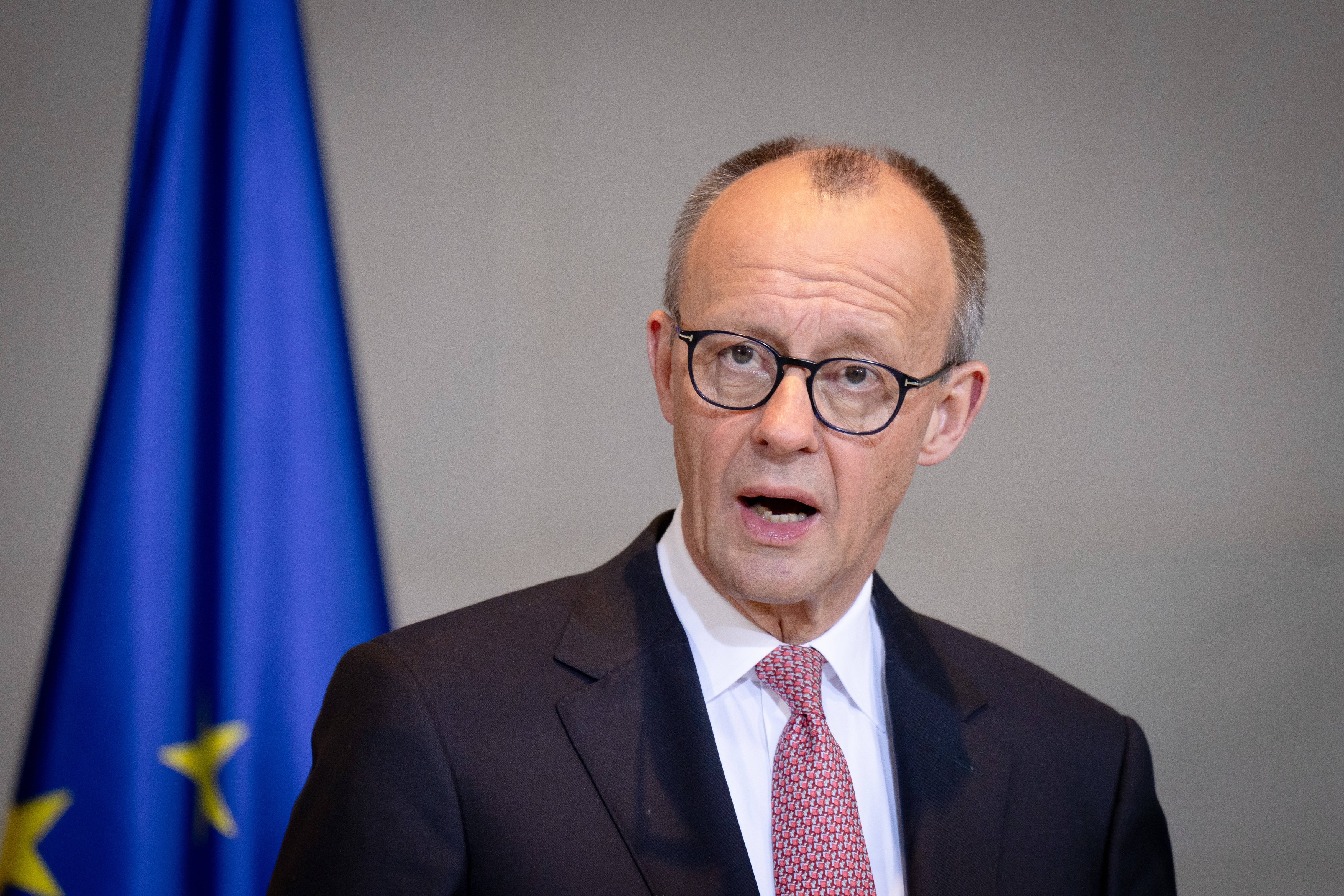
German Chancellor Friedrich Merz has rejected the European Union's proposed budget for the 2028-2034 period, calling for cuts amounting to hundreds of billions of euros. Merz stated that both the European Commission's initial proposal and a compromise version currently under negotiation are too large. He insists that significant reductions are necessary across all areas of the budget. The German leader believes the current figures are not balanced and advocates for a more fiscally restrained approach to the EU's financial planning for the upcoming seven-year cycle. This stance indicates a potential challenge in reaching an agreement on the EU's financial framework, as Germany is a major contributor to the bloc's budget.
Chancellor Merz's call for substantial budget reductions highlights a recurring tension between member states' fiscal priorities and the EU's expanding policy ambitions. This position may reflect domestic political pressures or a broader strategic debate about the optimal size and scope of the European Union's financial commitments. The demand for cuts across all areas suggests a systemic critique of current spending priorities, potentially anticipating future economic headwinds or a re-evaluation of the EU's role in a changing global landscape. The negotiation process will likely involve balancing Germany's fiscal conservatism against the needs of other member states and the operational requirements of EU institutions, particularly in light of emerging challenges and policy initiatives.
AI-generated to prompt reflection — not editorial opinion, not advice, not a statement of fact. How this works.