German Cities Offering Career Opportunities Beyond Major Metropolises
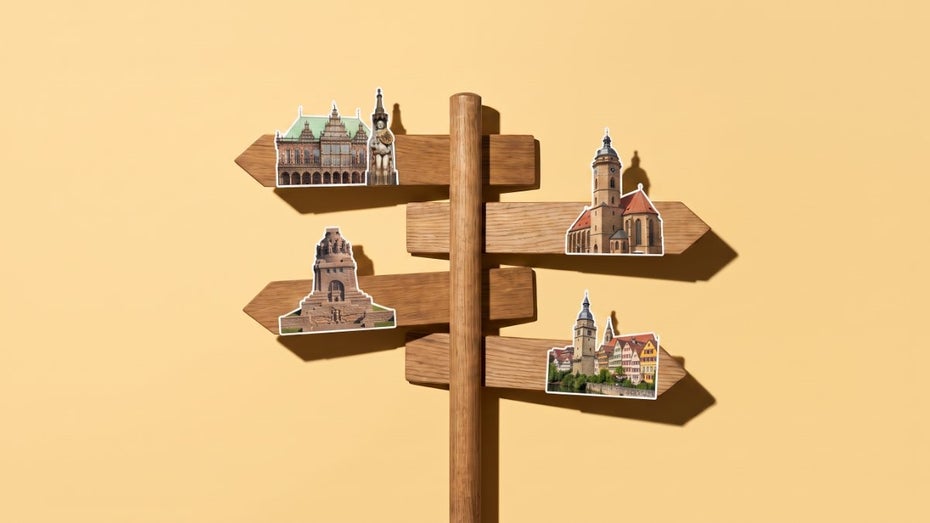
While many Germans are drawn to large metropolitan areas for career advancement, a LinkedIn analysis reveals promising professional opportunities exist in cities and regions outside of these major hubs. The analysis highlights specific locations where individuals can currently find success in their careers. This suggests that a strategic approach to job seeking can uncover valuable prospects even in less conventional urban centers. The findings encourage a broader perspective when considering career moves within Germany, moving beyond the typical focus on Berlin, Munich, or Hamburg. It implies that smaller or mid-sized cities might offer a better balance of career growth and quality of life. Further details on these specific locations and the criteria used for the LinkedIn analysis are available on t3n.de.
The LinkedIn analysis challenges the conventional wisdom that career growth in Germany is exclusively concentrated in its largest cities. By identifying opportunities in secondary urban centers, the study prompts a reevaluation of talent distribution and regional economic development strategies. This perspective is crucial in an era where remote work and distributed teams are becoming more prevalent, potentially reducing the necessity of physical proximity to major business hubs. Policymakers and businesses might consider fostering growth in these overlooked regions to balance economic prosperity and mitigate the pressures of overpopulation and high living costs in metropolises. The findings encourage individuals to explore diverse career landscapes, potentially leading to more equitable regional development and a wider pool of talent for employers.
AI-generated to prompt reflection — not editorial opinion, not advice, not a statement of fact. How this works.